
Every pound may include viable seed, nonviable seed, inert matter, and other material, which means bulk weight alone does not tell you how much seed has the potential to grow. That is where Pure Live Seed, or PLS, becomes useful.
In this guide to understanding pure live seed, we’ll explain:
Let’s start with the basic definition.
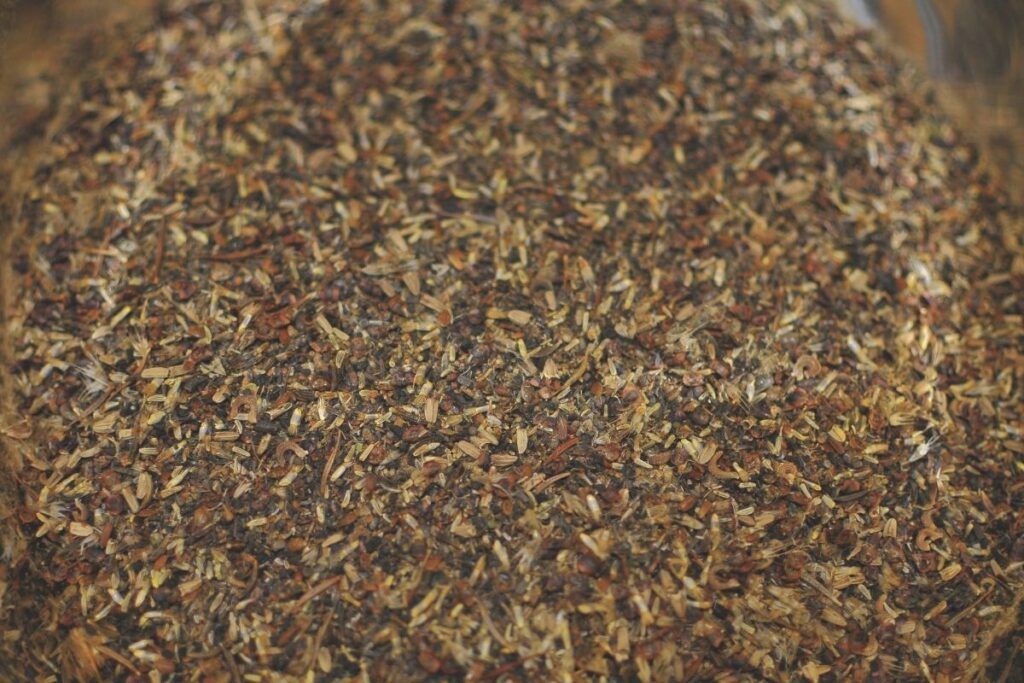
Pure live seed, often shortened to PLS, tells you how much of a seed lot is made up of live seed by weight. More specifically, it refers to the portion of seed that has the potential to develop into a seedling.
That sounds simple enough, but it is an important distinction. When you buy seed, the total weight in the bag is bulk weight. That bulk weight may include viable seed, nonviable seed, inert matter, weed seed, and other crop seed. PLS helps you separate what has the potential to grow from what does not.
A few terms matter here:
Seed of the desired species, whether viable or nonviable.
The percentage of pure seed by weight.
Seed that can germinate relatively quickly.
Viable seed with a hard seed coat that may take longer to germinate.
Viable seed that may germinate later for reasons other than a hard seed coat.
Material other than seed.
In plain terms, PLS gives you a more realistic picture of what you are actually planting.
To calculate pure live seed, you need two basic pieces of information from the seed lot: purity and total germination. Purity tells you how much of the seed lot is the desired seed by weight. Total germination includes the seed that can germinate quickly, plus viable hard seed and dormant seed when those categories are reported.
Use this two-step calculation:
Germination % + Hard Seed % + Dormant Seed %
Purity % × Total Germination % ÷ 100
For example, say a seed lot has:
First, calculate total germination:
70 + 15 + 5 = 90% Total Germination
Then multiply total germination by purity and divide by 100:
95 × 90 ÷ 100 = 85.5% PLS
That means 85.5% of this seed lot by weight has the potential to grow. The rest of the bulk weight may include nonviable seed, inert matter, weed seed, or other crop seed.
This is why PLS is such a useful number. It gives you one practical percentage that combines seed purity and viability. Instead of assuming every pound in the bag has the same planting value, you can calculate how much of that weight is likely to contribute to establishment.
Once you know the PLS percentage, you can use it to calculate how much bulk seed you need to plant. This step matters because seed is typically purchased by bulk weight, while seeding recommendations are often written in PLS pounds per acre.
Think of it this way:
Tell you how much viable seed you want to plant.
Tells you how much total seed weight you need to buy or apply to reach that amount.
Use this formula:
Bulk Seed Needed = Desired PLS Pounds × 100 ÷ PLS %
For example, if your planting plan calls for 10 pounds of PLS per acre and the seed lot is 85.5% PLS, the calculation is:
10 × 100 ÷ 85.5 = 11.6 pounds of bulk seed per acre
In this case, planting only 10 bulk pounds would leave you short of the intended viable seed rate. You would need 11.6 bulk pounds to apply 10 pounds of pure live seed.
This is especially important when you are working from a conservation seed mix, pollinator planting plan, meadow specification, or restoration seeding rate that is expressed in PLS pounds per acre.
Pure live seed matters because it helps you plant the amount of viable seed your site actually needs. Many conservation and restoration seeding rates are expressed in pounds of PLS per acre, not simply bulk pounds per acre. The USDA NRCS explains that recommended PLS planting rates are based on the target number of viable seeds per square foot needed to achieve a desired plant density.
If you plant by bulk weight alone, you may under-seed a site without realizing it. For example, if a seeding plan calls for 10 pounds of PLS per acre and your seed lot is 70% PLS, planting 10 bulk pounds would only deliver 7 pounds of viable seed. You would need about 14.3 bulk pounds to reach the intended 10 pounds of PLS.
PLS also helps you compare seed value more accurately. A lower-priced seed lot may not be the better buy if it has lower purity or germination. The more useful comparison is cost per PLS pound, not cost per bulk pound.
PLS helps you:
For native meadows, pollinator plantings, wildlife habitat, stormwater areas, and restoration seedings, that accuracy matters. A few extra minutes with the seed tag can save you from a thin stand later.
A seed tag gives you the information you need to calculate PLS and understand what is in the bag. Seed labeling requirements vary by state, but seed tags commonly include the species or variety, lot number, origin, percentage of pure seed, percentage of other crop seed, percentage of inert matter, percentage of weed seed, germination rate, hard seed, and the test date.
When you review a seed tag, look for:
The test date is worth checking because germination can change as seed ages or storage conditions vary.
Also pay close attention to coated or inoculated seed. Some legumes may have lower PLS percentages because a meaningful portion of the bag weight comes from coating or inoculant rather than seed. That coating may still serve an agronomic purpose, but it should be considered when calculating how much bulk seed you need.
Understanding pure live seed helps you move from guesswork to a more accurate planting plan. When you know how to read a seed tag, calculate PLS, and convert PLS pounds into bulk pounds, you can better match your seed purchase to your site conditions, seeding rate, and project goals.
That matters whether you are planting a native meadow, pollinator habitat, stormwater area, wildlife planting, cover crop, or larger restoration project. Before you seed, use Ernst’s blogs, planting guides, and Seed Finder Tool to turn what is printed on the tag into better decisions in the field.

Understanding Pure Live Seed helps seed buyers understand how much viable seed they are actually purchasing and planting. This blog explains what PLS means, how to calculate it using purity and germination data, how to convert PLS into bulk seeding rates, and why seed tags matter for native plantings, pollinator habitats, conservation seedings, and restoration projects.
Pure Live Seed, or PLS, is the percentage of a seed lot that is both pure seed and viable seed. It helps you understand how much of the bulk weight has the potential to grow.
First, add germination, hard seed, and dormant seed to find total germination. Then multiply purity by total germination and divide by 100.
PLS helps you calculate how much bulk seed you need to achieve the recommended viable seed rate. It also helps you compare seed lots more accurately than bulk price alone.