
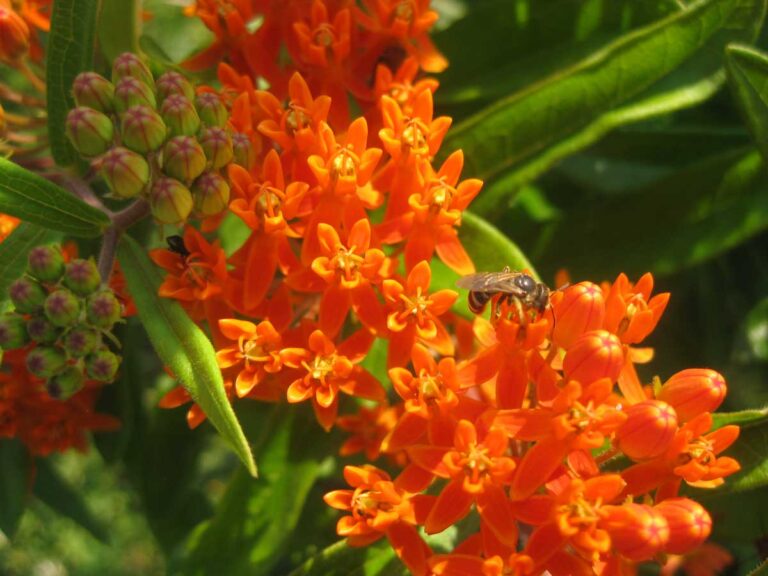
Butterfly milkweed brings a lot to a planting. Its bright orange blooms stand out in sunny meadows, pollinator gardens, and native landscapes, while its foliage supports monarch caterpillars as they grow.
But like many native perennials, success starts before the seed ever touches soil. Planting Butterfly Milkweed Seed well means understanding what this species needs, where it performs best, and how patient you may need to be during establishment.
In this guide, we’ll cover:
- What makes butterfly milkweed different from other milkweeds
- Whether Butterfly Milkweed Seed needs cold stratification
- The best site conditions for planting
- When and how to sow seed
- How to care for young plants
- What to plant with butterfly milkweed
Let’s start with what makes butterfly milkweed such a distinctive native milkweed species.
What Makes Butterfly Milkweed Different From Other Milkweeds?
Butterfly milkweed is a native perennial best suited for sunny, well-drained sites. It stands out from other milkweeds because of its bright orange flowers, drought tolerance, and strong value as a monarch host plant.
Also known as Asclepias tuberosa, butterfly milkweed grows in an upright, clump-forming habit rather than spreading aggressively by rhizomes. That makes it especially useful for pollinator gardens, meadow plantings, landscape architecture projects, and other sites where growers want ecological function without giving up too much design control.
Before planting Butterfly Milkweed Seed, think less about “milkweed” as one general category and more about choosing the right milkweed for the conditions.
Does Butterfly Milkweed Seed Need Cold Stratification?
Yes. Butterfly Milkweed Seed generally benefits from cold, moist stratification before planting. This process helps break natural seed dormancy and can improve germination results.
We recommend a cold, moist stratification period of up to three months for milkweed seed before greenhouse planting. That is the best standard to follow when producing transplants or aiming for more consistent germination. Some home gardeners may see success with shorter windows, such as 30 days or 4 to 6 weeks, but a longer period gives dormant seed more time to respond.
A basic cold stratification process looks like this:
- Mix the seed with moist sand or another suitable medium.
- Place the mixture in a sealed bag or container.
- Keep it refrigerated during the stratification period.
- Sow the seed once the cold treatment is complete.
Dormant outdoor seeding can also work well. In that case, winter does the stratification work for you.
What Are the Best Conditions for Planting Butterfly Milkweed Seed?
Butterfly milkweed performs well in dry to medium soils and is often a strong fit for upland meadows, pollinator gardens, sunny slopes, roadside-style plantings, and native landscape beds. It can tolerate lean, sandy, rocky, or otherwise challenging soils once established. In fact, overly rich or wet conditions can work against it by encouraging weak growth, root issues, or poor long-term performance.
A simple way to think about site fit:
- Full sun
- Dry to medium soil
- Strong drainage
- Lean, sandy, rocky, or upland soils
- Open pollinator gardens and meadow plantings
If the site stays damp, swamp milkweed may be a better choice. If the goal is a larger naturalized patch, common milkweed may fit better. For Butterfly Milkweed Seed, start with the right site and the plant has a much better chance to settle in.
When and How Should You Plant Butterfly Milkweed Seed?
The best time for planting Butterfly Milkweed Seed is late fall through early spring, depending on how the seed will receive its cold treatment. Fall and dormant seeding allow natural winter conditions to prepare the seed for spring germination.
For direct outdoor seeding, plant in late fall or winter after the growing season has ended. The goal is not immediate germination. The goal is to let the seed sit in place through cold, moist weather so it can break dormancy naturally. When soil temperatures rise in spring, the seed is better positioned to germinate.
Spring seeding can also work, but the seed should be cold stratified first. Without that preparation, germination may be slower, lower, or less predictable.
There are three common planting approaches:
- Dormant outdoor seeding: Sow in late fall or winter and let natural conditions stratify the seed.
- Spring seeding: Plant after the seed has completed cold, moist stratification.
- Indoor starts: Start seed in deep cells or containers, then transplant young seedlings carefully.
Butterfly milkweed develops a deep taproot, which helps it tolerate dry conditions once established. That same taproot also makes mature plants difficult to move. If starting indoors, transplant seedlings while they are still young and avoid disturbing the root system.
Growth may be slow at first. Butterfly milkweed often spends its early energy establishing roots, so strong flowering may take more than one growing season.
How Do You Care for Butterfly Milkweed After Planting?
During the first growing season, keep competing weeds and aggressive plants from crowding out young seedlings. Butterfly milkweed can be slow to develop above ground because it is building a deep taproot below the surface. Small early growth does not always mean failure.
Avoid overwatering once plants begin to establish. This species is adapted to dry-to-medium, well-drained soils, so constantly wet conditions can create more problems than benefits. Fertilizer is usually unnecessary, especially in leaner native planting sites.
A few common mistakes to avoid:
- Planting in wet, compacted, or poorly drained soil
- Moving mature plants after the taproot develops
- Assuming small first-year seedlings have failed
- Using systemic insecticides around monarch or pollinator habitats
- Planting butterfly milkweed as a monoculture
Diverse plantings are typically more resilient and provide better habitat value than a single-species stand.
What Should You Plant With Butterfly Milkweed?
Milkweed is essential for monarch caterpillars, but adult monarchs also need nectar. So do bees, hummingbirds, beneficial insects, and other pollinators that visit native plantings throughout the growing season. Pairing butterfly milkweed with compatible native species can extend bloom time, improve visual interest, and reduce the risks that come with planting one species alone.
Strong companion plants may include:
- Golden Alexanders (Zizia aurea)
- Tall White Beardtongue (Penstemon digitalis)
- Purple Coneflower (Echinacea purpurea)
- Blackeyed Susan (Rudbeckia hirta)
- Wild Bergamot (Monarda fistulosa)
- Marsh Blazing Star (Liatris spicata)
- Narrowleaf Mountainmint (Pycnanthemum tenuifolium)
- Showy Goldenrod (Solidago speciosa)
- Little Bluestem (Schizachyrium scoparium)
These species can help create a fuller, more functional pollinator planting around butterfly milkweed. Growers who want a ready-made option can also explore Ernst’s Butterfly & Hummingbird Garden Mix, which pairs milkweed with other pollinator-supporting native species.
Grow With Confidence Using Ernst Butterfly Milkweed Seed
Planting Butterfly Milkweed Seed successfully comes down to site selection, seed preparation, and realistic expectations. This species thrives in sunny, well-drained conditions, benefits from cold stratification, and often spends its early growth building a strong root system before producing its best floral display. When paired with other native flowers and grasses, butterfly milkweed can become part of a resilient planting that supports monarchs, bees, butterflies, and other pollinators across the growing season.
If you’re choosing Butterfly Milkweed Seed for a meadow, garden, restoration site, or designed landscape, the experts at Ernst Conservation Seeds can help you match the right seed to the right soil, site, and project goals.
Quick Summary
This guide explains how to plant Butterfly Milkweed Seed successfully by covering cold stratification, site selection, planting timing, early care, and companion planting. It emphasizes full sun, well-drained soil, patience during establishment, and diverse native plantings that support monarchs, bees, butterflies, and other pollinators.
Butterfly Milkweed Seeds FAQS
Yes. Butterfly Milkweed Seed generally benefits from cold, moist stratification, which helps break seed dormancy and can improve germination.
The best time to plant Butterfly Milkweed Seed is late fall through early spring, depending on whether the seed will stratify outdoors or has already been cold treated. Fall and dormant seeding allow winter conditions to naturally prepare the seed for spring germination.
Butterfly milkweed grows best in full sun and well-drained dry to medium soil. It usually performs better in lean, sandy, or rocky soils than in wet, overly rich, or heavily amended beds.