Herbaceous Wetland Mix
This guide walks through the practical steps that shape establishment, including how to evaluate moisture conditions, prepare the soil, time seeding, manage early weed pressure, and choose appropriate Ernst seed mixes or individual species for wet ground.
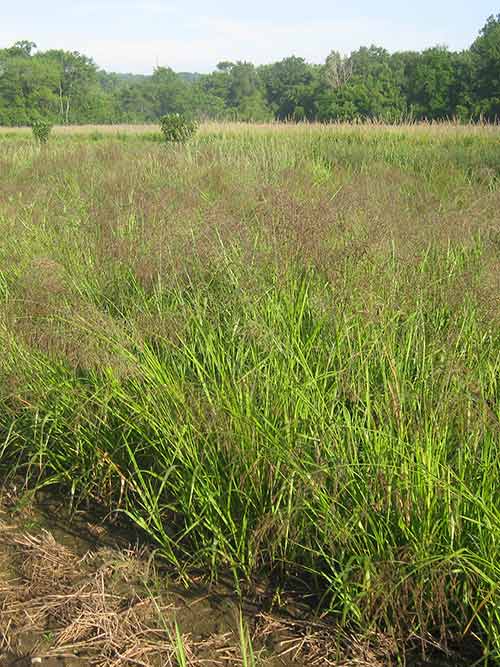
Wet meadow & wetland sites are planting areas where water strongly shapes the soil, seed selection, and long-term plant community. These sites may stay saturated for long periods, drain slowly after rain, or hold water seasonally because of high water tables, heavy clay soils, organic soils, or impervious layers below the surface.
Common wet meadow and wetland planting areas include:
Some sites are only moist during part of the year, while others may remain saturated or hold shallow standing water. That difference should guide every decision that follows, beginning with seed and plant selection.
The right seed mix depends on how wet the site actually is. Before planting a wet meadow & wetland site, evaluate how often water is present, how long the soil stays saturated, and whether the area includes multiple moisture zones.
Wetland indicator categories from the U.S. Fish and Wildlife Service help describe how commonly a plant occurs in wetland or upland conditions:
OBL – Obligate Wetland
Almost always occurs in wetlands under natural conditions.
FACW – Facultative Wetland
Usually occurs in wetlands, but can occasionally occur in non-wetlands.
FAC – Facultative
Equally likely to occur in wetlands or non-wetlands.
FACU – Facultative Upland
Usually occurs in non-wetlands, but can occasionally occur in wetlands.
UPL – Obligate Upland
Almost always occurs in non-wetlands in the specified region.
Use these categories as a practical guide. Match the seed mix to the site’s moisture pattern first, then refine by sunlight, soil conditions, wildlife goals, and maintenance needs.
Fertilizer is generally not recommended for wet meadow & wetland sites. Excess nutrients can encourage weed growth, alter the intended plant community, and move into nearby water during runoff or flooding events.
Compost may be useful where topsoil has been removed, compacted, or depleted during construction. In those cases, it should be incorporated as a soil amendment to improve organic matter and soil structure, not spread as a thick surface layer.
Seed wet meadow & wetland sites when the water table has drawn down enough for seed to make direct contact with the soil. Seeding into standing water is not recommended because the seed can float, drift, concentrate unevenly, or fail to settle where it can germinate.
Fall dormant seeding can work well when soils are stable, and the site is not likely to be scoured by heavy flow or flooding. Spring seeding may also be appropriate if the area is workable and soil moisture remains favorable.
Good site preparation gives wet meadow & wetland seed the best chance to reach soil, germinate, and compete.
Control existing vegetation
Remove or manage unwanted growth before seeding, especially aggressive wetland weeds like reed canarygrass, purple loosestrife, Phragmites, and Japanese knotweed.
Scout beyond the planting area
Check nearby ditches, roadsides, streambanks, and unmanaged wet areas for invasive species that could spread back into the site.
Prepare a firm seedbed
Seed should make direct contact with the soil, not rest on loose debris, heavy residue, or unstable mud.
Preserve natural surface variation
Small shelves, depressions, mounds, and low spots can create different moisture zones that support a more diverse planting.
The goal is to prepare a clean, stable surface where the right seed can meet the right conditions.
Seeding methods should match the stability and moisture level of the site. In wet meadow & wetland plantings, the main priority is keeping seed in place long enough for germination and establishment.
Broadcast seeding can work well on stable, prepared soils where the water table has drawn down and the site is not likely to wash out. After seeding, good seed-to-soil contact is essential. Light rolling or cultipacking may be appropriate where equipment can safely access the site without compacting or rutting the soil.
Maintenance is most important while wet meadow & wetland seedlings are still small.
In the first growing season, the goal is to reduce weed pressure without damaging the native plants you want to establish.
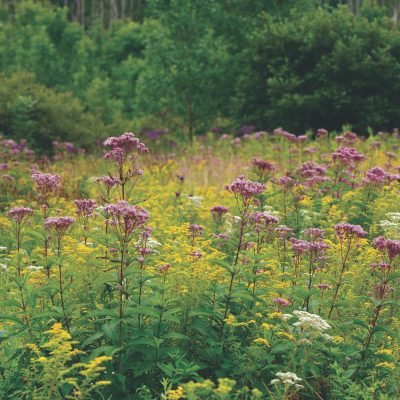
The best wet meadow & wetland seed mix is the one that matches the site’s moisture pattern, sunlight, soil conditions, and project goals. A planting designed for a saturated basin may need different species than a wet meadow edge, shaded wetland, pond margin, or wildlife habitat area.
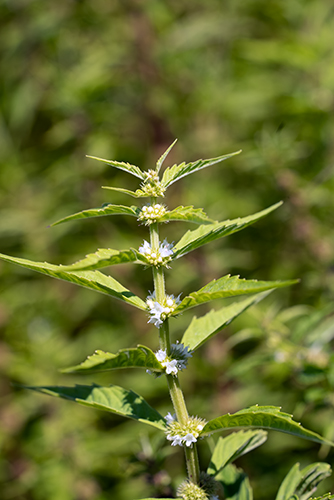
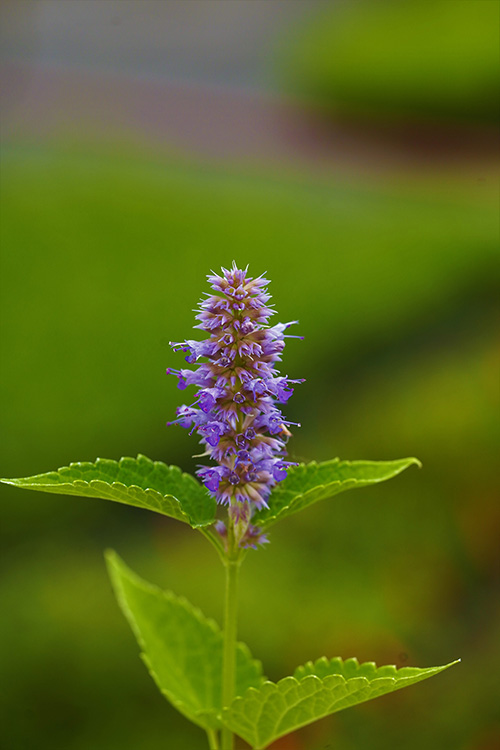
Individual species can also help fine-tune a planting plan. Depending on site conditions, options may include:
Ernst offers mixes designed for different wet site applications, including wet meadows, obligate wetlands, shaded wetlands, wildlife food and shelter, and specialized restoration projects. Use the site’s hydrology first, then refine the choice based on maintenance access, erosion risk, bloom season, and habitat value.
Before grading, filling, dredging, or otherwise disturbing a wet meadow & wetland site, confirm whether the area is a regulated wetland, waterway, floodplain, or stormwater feature. Local, state, or federal rules may apply, especially where water movement, drainage, or existing wetland vegetation is involved.
Successful wet meadow & wetland planting starts with understanding the site before selecting seed. Hydrology, soil conditions, timing, site preparation, establishment methods, and early maintenance all shape whether native species can take hold and build a stable plant community. With the right approach, these areas can support water management goals while also creating valuable habitat for pollinators, birds, and other wildlife.
If you are planning a wetland planting project and still have questions about species selection, seed mixes, or site conditions, contact the experts at Ernst Conservation Seeds.
This guide explains how to approach wet meadow & wetland planting by matching seed selection, site preparation, timing, and maintenance to real moisture conditions. It covers hydrology, wetland indicator categories, soil amendments, seeding methods, first-year maintenance, and how Ernst Conservation Seeds can help readers choose appropriate wet-site seed mixes and species.
Find more seeds and seed mixes using the advanced search and filtering options of our Seed Finder Tool.
Start by evaluating the site’s hydrology, including how often water is present and how long the soil stays saturated. Moisture conditions should guide seed mix selection before anything else.
Seeding into standing water is not recommended because seed can float, drift, or fail to make proper soil contact. It is better to seed when the water table has drawn down enough to expose a stable soil surface.
In the first growing season, trim vegetation when it reaches 18 to 24 inches and cut it back to about 8 inches. Continue scouting for invasive weeds, especially along wet edges, ditches, inflow points, and nearby unmanaged areas.
DISCLAIMER: The information in this review of practices is the result of more than 60 years of experience in seed production. Ernst Conservation Seeds has been supplying seeds and consulting in the reseeding of tens of thousands of acres of roadsides, surface mined lands, conservation, and restoration sites in eastern North America, as well as growing and supplying seed and consulting in the planting of hundreds of thousands of acres of CRP/CREP-related areas for erosion control and wildlife habitat. All of these practices are opinion only and our best advice as a result of these experiences. These recommendations do not cover all the conditions that will be encountered in the field. All of the information is for individual consideration. Ernst Conservation Seeds is not responsible for conditions that will be encountered in individual situations. The use of brand names does not represent our endorsement of a specific product; rather, it represents our experience only and has not necessarily been replicated in peer-reviewed research. The use of chemical pest control agents is subject to manufacturers’ instructions and labeling, as well as federal, state, and local regulations.