
The Importance of Native Plants: How They Support Local Wildlife
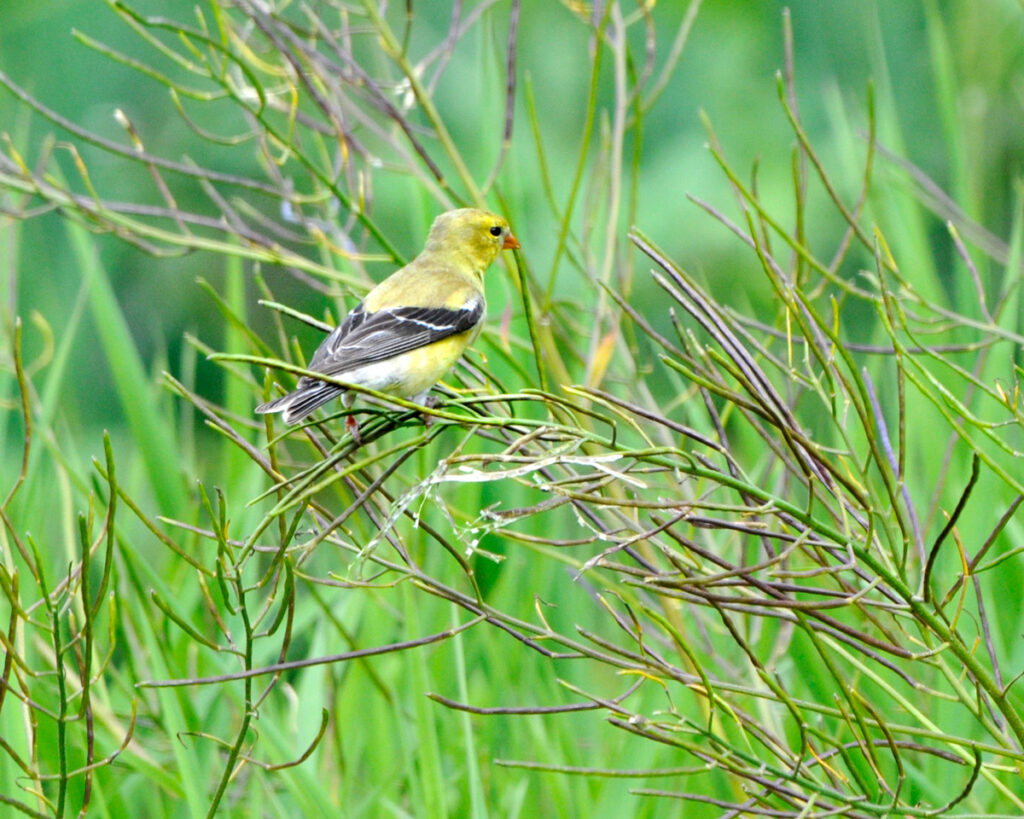
Native plants do more than make a landscape look natural. They help determine what can live there. When you choose plants that evolved alongside local insects, birds, mammals, soils, and climate conditions, you give wildlife the food and habitat it needs to survive, reproduce, and move through the landscape. In this blog, we’ll look at: […]
Planting Switchgrass for Habitat
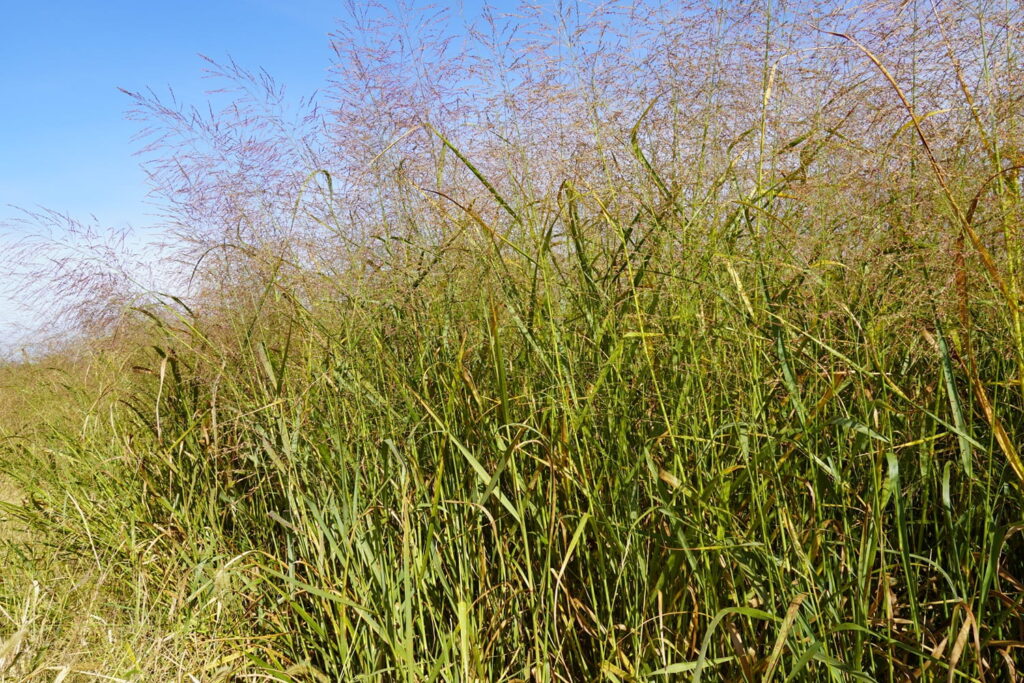
Switchgrass (Panicum virgatum) does not need to be flashy to be valuable. In habitat plantings, this native warm-season grass works quietly, building cover, stabilizing soil, filtering runoff, and providing wildlife with a stronger foundation year-round. If you are planting a meadow, field border, riparian buffer, or conservation area, switchgrass can help turn open ground into […]
Best Short-Growing Native Wildflowers for Pollinator-Friendly Landscapes
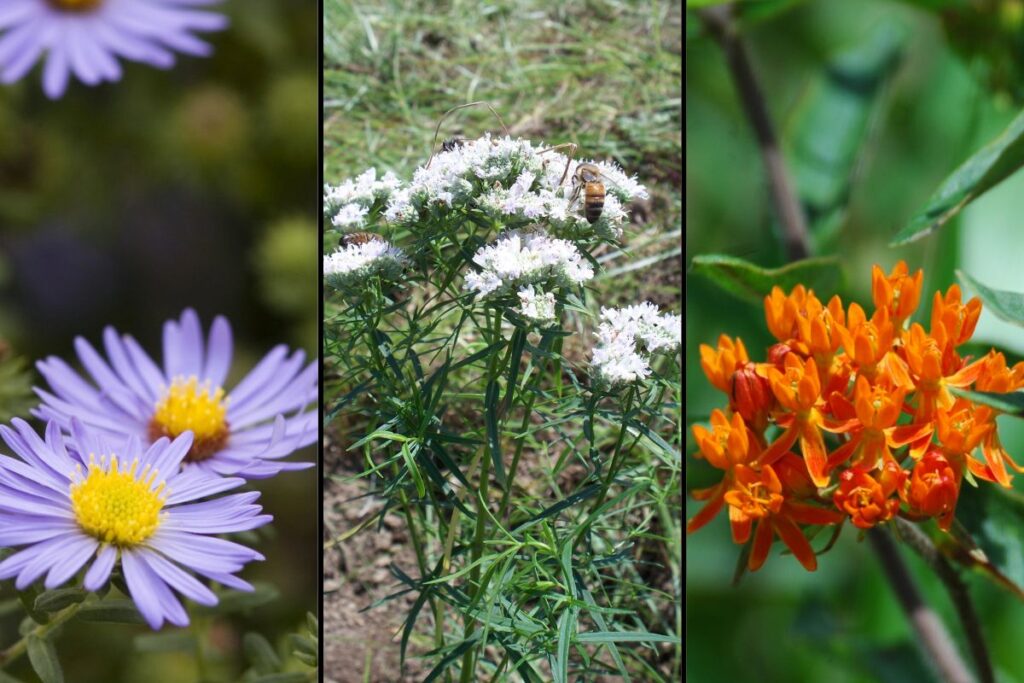
Pollinator-friendly landscapes do not have to be tall, tangled, or hard to manage. With the right short-growing native wildflowers, you can create a compact planting that supports bees, butterflies, and beneficial insects while still fitting neatly into gardens, meadow edges, walkways, residential yards, and designed landscapes. Pollinator-friendly landscapes do not have to be tall, tangled, […]
Annual vs. Perennial Native Plants: What’s Best for Your Project?
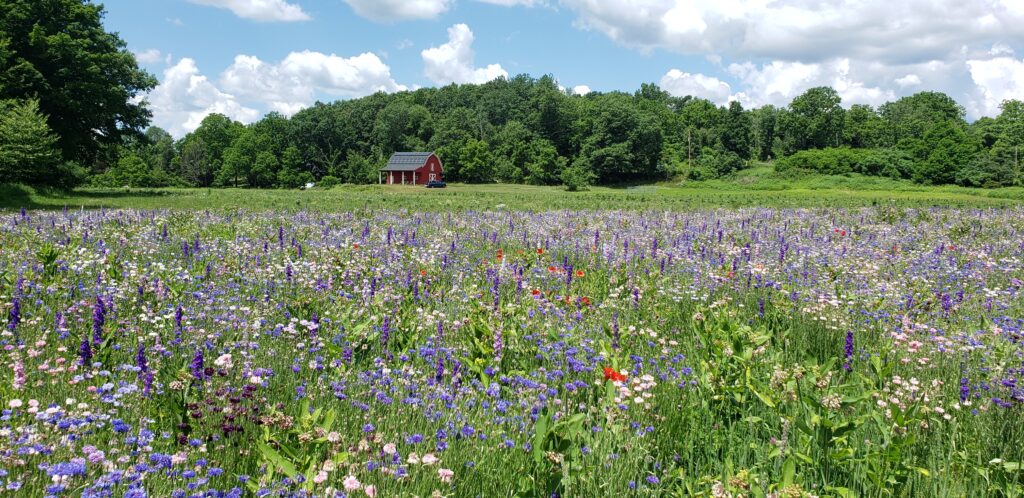
Choosing between annual and perennial native plants can shape the success of your entire project. Whether you are establishing a pollinator habitat, stabilizing soil, or designing a long-term landscape, the right mix of plant types will influence how quickly your site establishes and how well it performs over time. In this guide, you will learn: […]
How to Design Pollinator-Friendly Landscapes
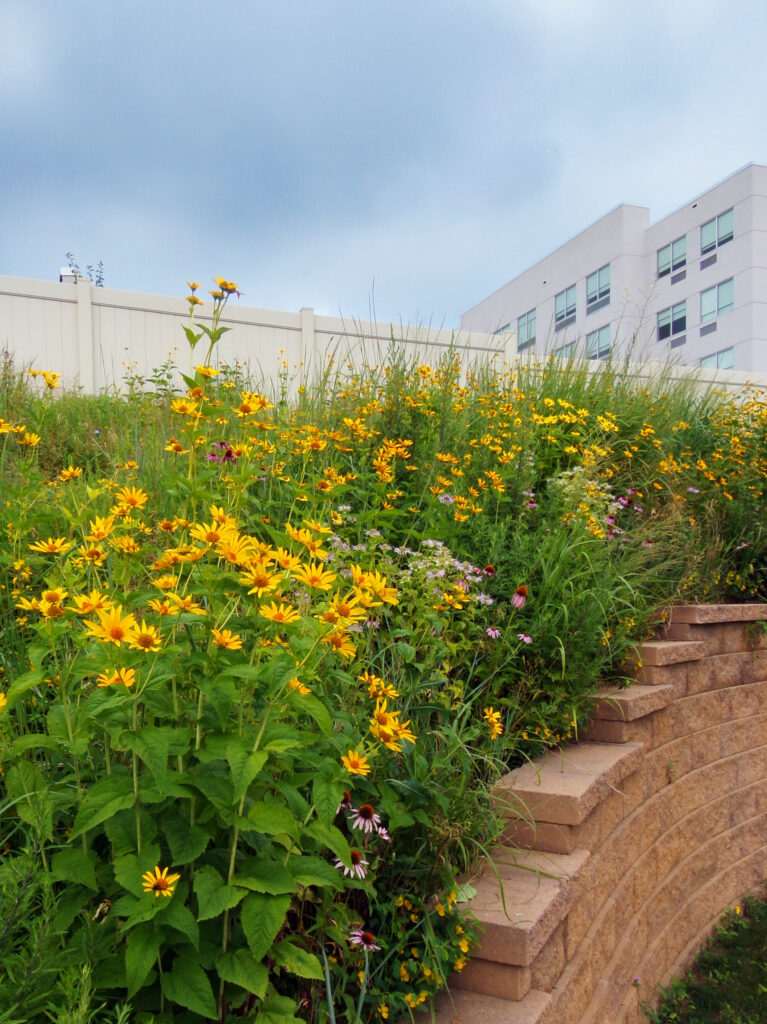
Pollinator populations depend heavily on the availability of flowering plants and suitable habitat across the landscape. However, habitat loss, simplified landscapes, and reduced plant diversity have made it harder for bees, butterflies, and other pollinating insects to find the resources they need throughout the growing season. Designing effective pollinator landscapes can help restore those resources […]
Native vs. Non-Native Seeds Explained
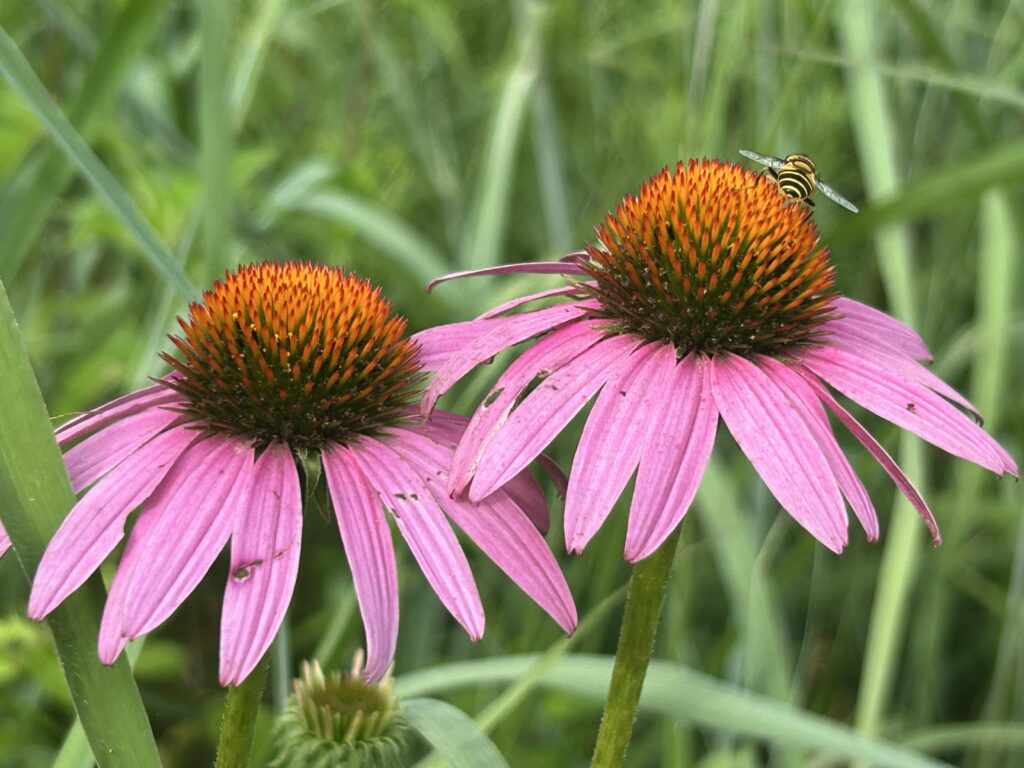
The difference between native and non-native seeds can shape everything from how well your planting establishes to how much value it provides to pollinators and the surrounding ecosystem. Yet for many landowners, the distinction is not always clear, and the wrong choice can lead to poor performance. In this guide, you will learn: Let’s start […]
From Our Friends at Pollinator Partnership: Debunking Common Misconceptions About Native Seeds (Ecology & Pollinator Myths)
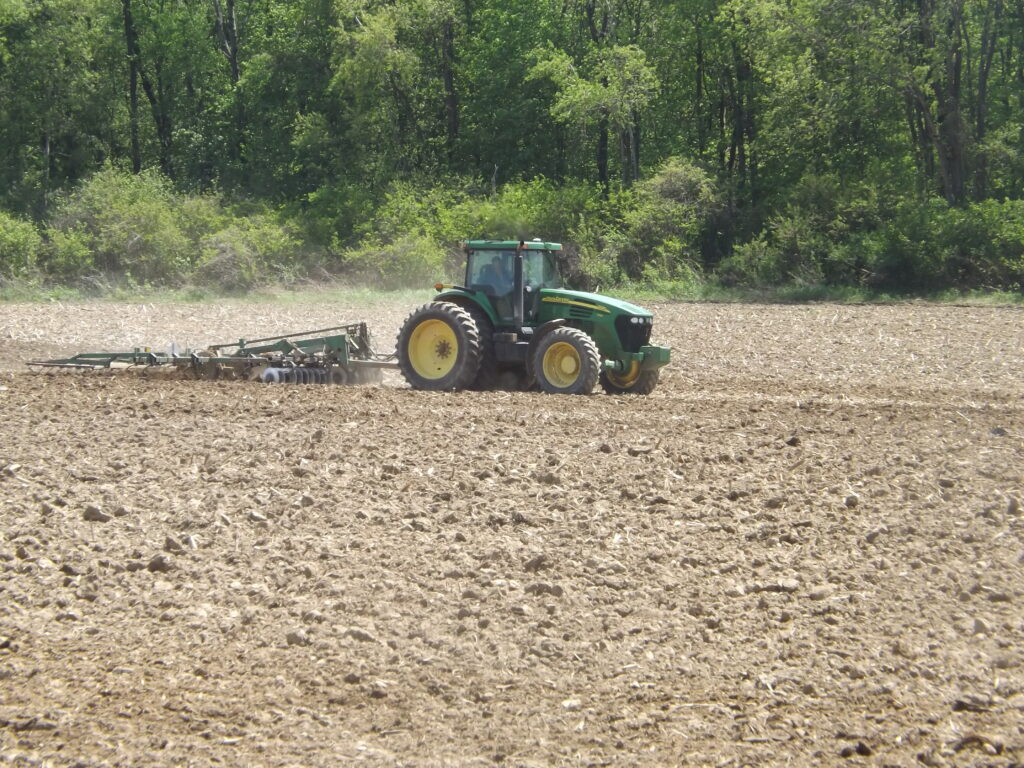
Ernst Conservation Seeds is proud to partner with Pollinator Partnership on a two-part series addressing misconceptions about native seeds from complementary perspectives. In this guest post, we are turning the mic over to Pollinator Partnership, a leading nonprofit dedicated to promoting the health of pollinators that are critical to our food systems and ecosystems through […]
New Ernst Seed Catalog Now Available: What’s Inside and How to Access It
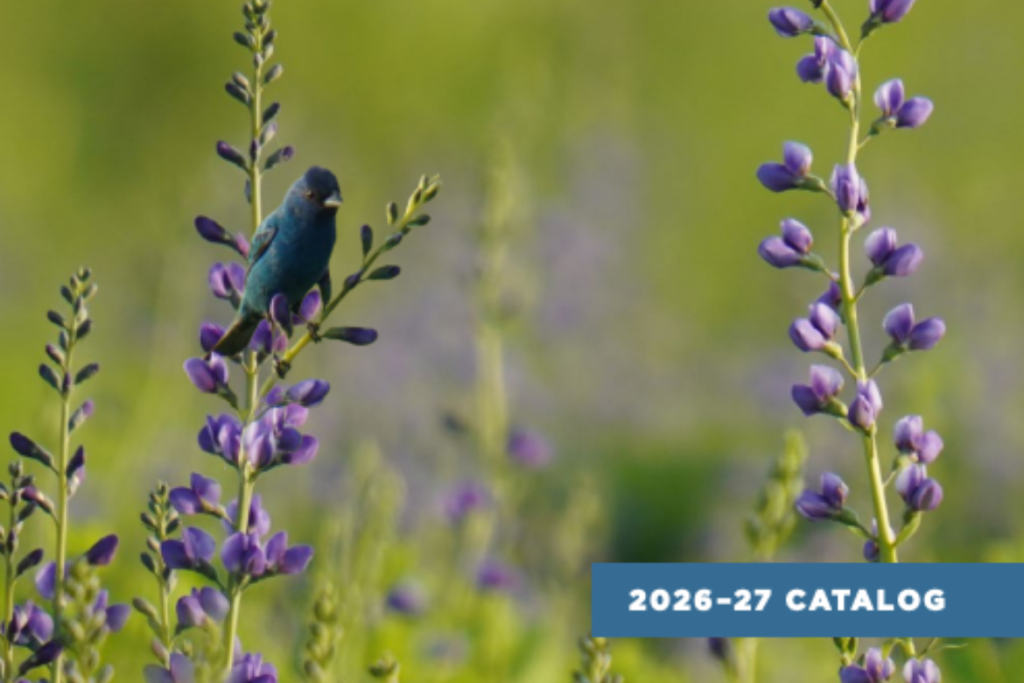
The new 2026-2027 Ernst Seed catalog is now available. Whether you’re planning a restoration project, designing a pollinator meadow, or looking for native cover crops, this catalog is your go-to resource for species selection and expert guidance. Inside, you’ll find: Here’s how to get your copy, and what to expect when you open it. Where […]
6 Important Food Sources for Native Birds During Cold Winter Months
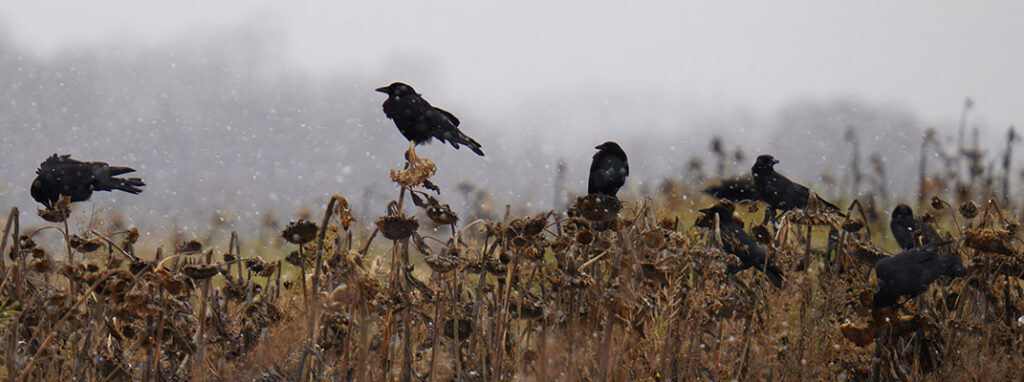
Winter presents serious challenges for native birds. As temperatures drop and snow covers the landscape, many of their natural food sources, like seeds, fruits, and insects, become scarce or inaccessible. For species that don’t migrate, the cold season can lead to energy deficits, weight loss, and higher mortality rates. If you’re interested in helping, this […]
How to Work with Your Land’s Natural Features for Better Water Management
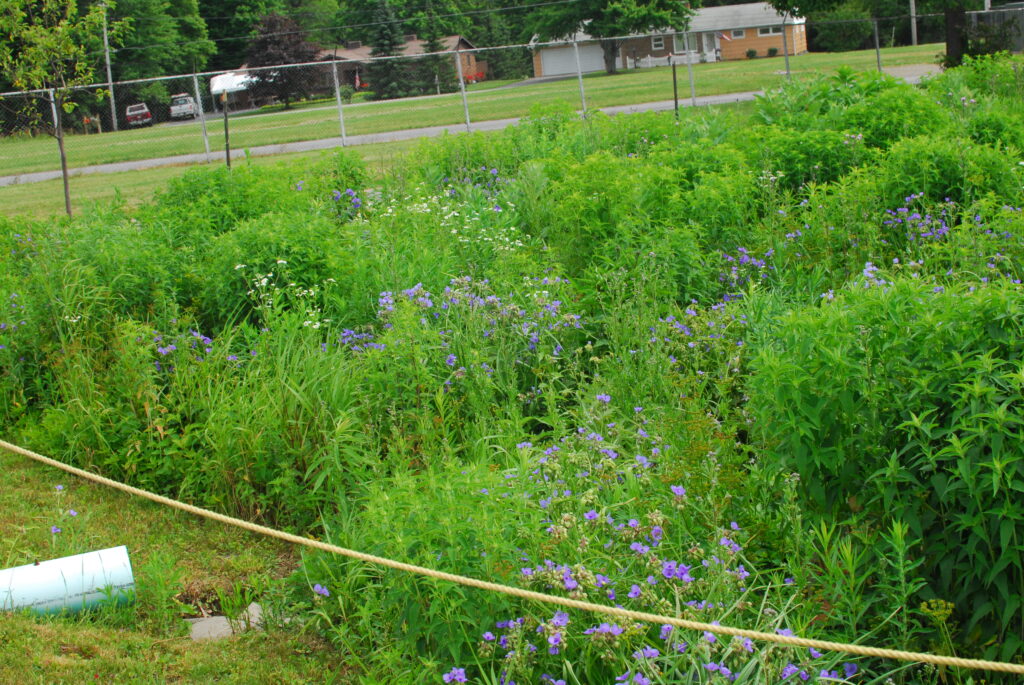
Water is one of your land’s most powerful resources. Managed well, it nourishes soils, supports native plants, and sustains pollinators. Managed poorly, it strips away topsoil, floods low areas, and washes nutrients downstream where they damage waterways. Understanding how water moves across your property, and how to guide that movement, is essential for healthier landscapes […]