Native plants do more than make a landscape look natural. They help determine what can live there. When you choose plants that evolved alongside local insects, birds, mammals, soils, and climate conditions, you give wildlife the food and habitat it needs to survive, reproduce, and move through the landscape.
In this blog, we’ll look at:
- Why native plants are so important for local wildlife
- How they support pollinators, birds, and small mammals
- Which native plants can have the biggest ecological impact
- How to choose native plants for your site or project
To understand the importance of native plants, it helps to start with their role in the local food web.
What Makes Native Plants So Important for Local Wildlife?
Native plants are important because they provide the food, shelter, host plants, nesting areas, and seasonal resources that local wildlife evolved to use. When you add native plants to a garden, meadow, restoration site, riparian buffer, or farm edge, you are rebuilding part of the local food web.
This is because native plants and native wildlife are ecologically connected. Many insects depend on particular plants for nectar, pollen, leaves, or stems. Pollinator Partnership notes that native plants provide the most benefit to pollinators because they are part of the region’s historical plant community, while expanding lawns and non-native plantings can reduce plant richness and biodiversity.
Native plantings also support the wildlife that feed on insects. Birds, amphibians, reptiles, and small mammals all depend on functioning insect populations in some way. If your planting supports more insects, it can support more wildlife.
How Do Native Plants Support Pollinators?
Native plants provide nectar, pollen, and vegetative resources necessary for the dietary support of native bees, butterflies, moths, hummingbirds, and other beneficial species. To best support native pollinators, choose a palette of plants that provide continuity of bloom from as early to as late in the growing season as possible, at least three species blooming in the late spring/early summer, summer, and fall bloom window, five or more plant families, and if possible 26 flowering species. There should also be host plants for specialist pollinators such as milkweeds for monarch butterflies.
Strong pollinator plants to consider include:
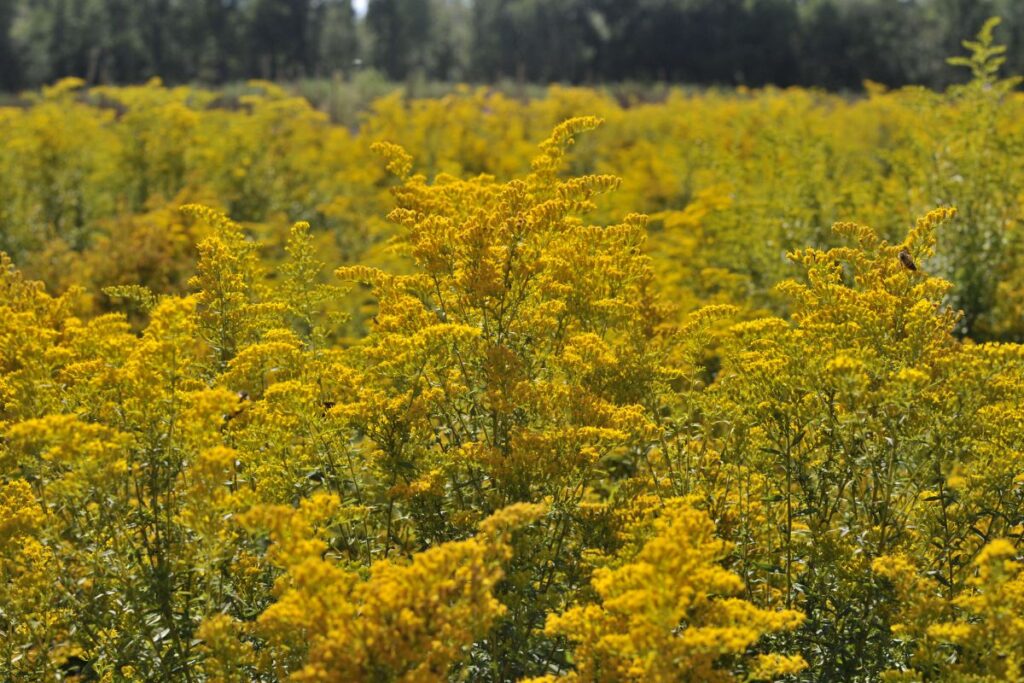
- Goldenrods (Solidago spp.) for late-season nectar
- Purple Coneflower (Echinacea purpurea) for summer pollinator support
- Wild Bergamot (Monarda fistulosa) for native bees and butterflies
- Butterfly Milkweed (Asclepias tuberosa) or Swamp Milkweed (Asclepias incarnata) for monarch and pollinator habitat
The key is continuity. Choose a mix of native species with staggered bloom times so pollinators can find resources across the growing season, not just during one short bloom window.
Why Are Native Plants So Valuable for Birds and Small Mammals?
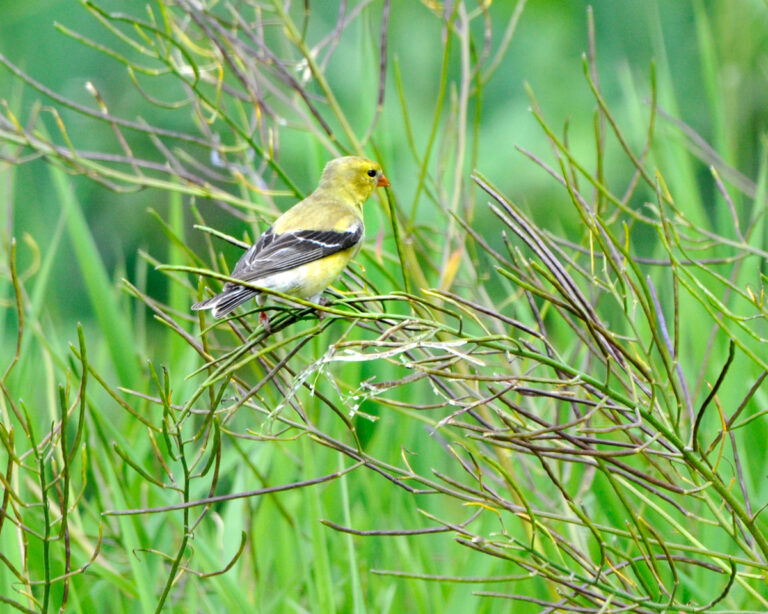
Native plants support birds and small mammals by attracting insects, producing berries, nuts, and seeds and providing nesting material and protective cover. For birds especially, the connection often begins with insects. Cornell Lab’s Land Trust Bird Conservation Initiative notes that a single native oak can support more than 500 caterpillar species, and those caterpillars are an important food source for songbirds.
Caterpillars are especially important during nesting season. Birds may eat seeds, berries, or nectar as adults, but many species feed soft-bodied insects to their young. When your landscape includes native trees, shrubs, grasses, and wildflowers that support caterpillars and other insects, you help create the feeding conditions birds need to rear their young.
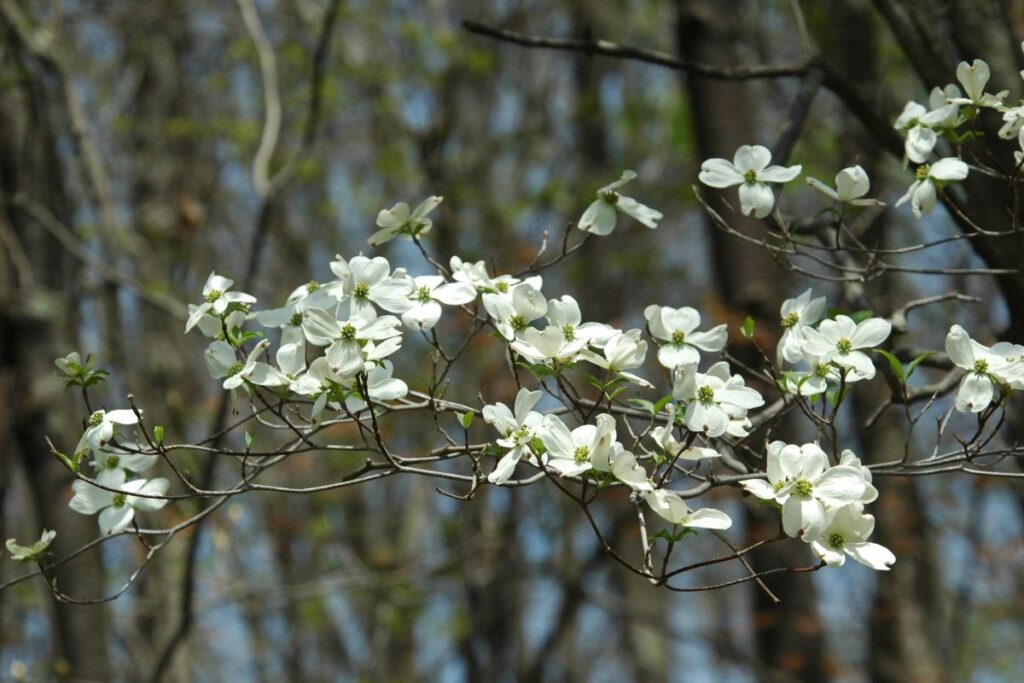
Native shrubs and trees add another layer of value. Dogwoods (Cornus spp.) and elderberries (Sambucus spp.) are berry-producing shrubs that provide high-energy food, especially in fall and winter. Nut-bearing trees such as oaks and hickories support squirrels and other small mammals that play a role in seed dispersal.
Native plantings support wildlife needs such as:
| Wildlife Need | Native Plant Support |
| Nestling food | Caterpillars and other insects |
| Fall and winter energy | Berries, seeds, and nuts |
| Shelter | Shrubs, grasses, stems, and tree canopy |
| Reproduction | Host plants, nesting cover, and habitat structure |
When you plant natives, you are not feeding only one species. You are helping rebuild the relationships between plants, insects, birds, and mammals that make local ecosystems work.
Which Native Plants Have the Biggest Impact on Wildlife?
Some native plants have an outsized impact because they support many different insects, birds, mammals, and ecological processes at once. These are often called keystone plants. You do not need to build an entire project around only a few species, but if your goal is to support wildlife, these high-value plants deserve priority.
High-impact native plants to consider include:
- Goldenrods (Solidago spp.): Goldenrods provide important late-season nectar and pollen when many other flowers have finished blooming.
- Milkweeds (Asclepias spp.): Milkweeds are essential host plants for monarch butterflies (Danaus plexippus) and also provide nectar for bees and other pollinators.
- Dogwoods (Cornus spp.): Dogwoods provide berries for birds and help provide shrub-layer structure to wildlife plantings.
The larger point is practical. When you choose plants, do not look only at color or bloom time. Look at ecological function. A stronger planting includes species that feed insects, produce seeds or berries, stabilize soil, and create layered habitat.
How Should You Choose Native Plants for Your Site or Project?
Choosing native plants should start with two questions: what are you trying to support, and what will your site actually sustain? A pollinator garden, meadow restoration, wetland edge, and bird-friendly planting may all use native species, but they will not use the exact same species in the exact same way.
If your goal is…
- A pollinator habitat: Select flowers with staggered bloom times so bees, butterflies, moths, and other pollinators have resources across the season.
- A bird habitat: Include plants that attract insects, provide cover, and produce seed, berries, and nuts.
- Soil and water improvement: Prioritize deep-rooted grasses, sedges, and forbs suited to the site.
Finally, match the plant list to real site conditions. Sunlight, soil moisture, slope, drainage, maintenance capacity, and surrounding vegetation all matter. Keep in mind that good site preparation is essential to successful habitat creation.
Discover the Importance of Native Plants with Ernst Conservation Seeds
Native plants help turn gardens, meadows, farm edges, and restoration sites into functioning habitat. They support pollinators with nectar, pollen, and host plants. They feed birds and small mammals with insects, seeds, berries, and nuts. They also help stabilize soil, manage water, and strengthen the ecological relationships that make local landscapes more resilient.
The right native planting starts with the right species for your region, site conditions, and wildlife goals. Explore Ernst Conservation Seeds’ Seed Finder Tool to narrow your options and build a planting plan rooted in real ecological value.
Quick Summary
Native plants support local wildlife by providing the food, shelter, host plants, and seasonal resources that insects, birds, small mammals, and other species need to survive. This blog explains the importance of native plants in local food webs, highlights high-value species for pollinators and wildlife, and shows readers how to choose plants based on site conditions and ecological goals.
Native Plants FAQ
Native plants are important because they provide food, shelter, nesting areas, and host plants for local wildlife. Many insects, birds, and mammals depend on plant species that evolved in the same region.
Native plants provide nectar, pollen, and host plants that support bees, butterflies, moths, and other pollinators. A diverse native planting with staggered bloom times can help provide resources throughout the growing season.
High-value native plants often include oaks, goldenrods, milkweeds, dogwoods, native grasses, and berry-producing shrubs. The best choices depend on your region, site conditions, and whether your main goal is pollinator habitat, bird habitat, soil stabilization, or broader restoration.