Ernst Conservation Seeds is proud to partner with Pollinator Partnership on a two-part series addressing misconceptions about native seeds from complementary perspectives. In this guest post, we are turning the mic over to Pollinator Partnership, a leading nonprofit dedicated to promoting the health of pollinators that are critical to our food systems and ecosystems through conservation, education, and research.
Their mission can be summed up simply: “Protect their lives. Preserve ours.” Pollinator Partnership works across communities, farms, and working landscapes to turn awareness into action, helping ensure that pollinators and the ecosystems they inhabit can thrive today and for generations to come.
In the sections below, Pollinator Partnership will clarify:
- Why “native” is regional, not national
- Why pollinator visitation is not the same as pollinator value
- Where native seed fits far beyond large restoration sites
- How native landscapes can look intentional, not messy
- Why long-term costs can shift the value equation
For the practical side of seed production, planting, and establishment, do not miss [the companion article] from Ernst hosted on Pollinator Partnership’s website.
Myth #1: Are Native Seeds Adapted to Every Region?
No, nativity is regional, not national. Seed sourced outside its ecological region may be poorly adapted to local soils, climate, and other ecological factors, and it can even disrupt local genetics by influencing phenology and resilience to disturbance.
Plants evolve within specific ecoregions and seed zones, shaped by temperature patterns, rainfall, elevation, and seasonal timing. This process, known as local adaptation, means that populations of the same species can perform very differently depending on the environment where their seed originated. While some species can succeed outside their designated region, that is the exception, not the rule.
When comparing local and non-local seed sources, key differences often emerge:
- Locally sourced seed: Better aligned with local conditions, synchronized bloom timing, supports regional pollinators
- Non-local seed: Higher risk of poor establishment, mismatched flowering times, potential genetic dilution of local populations
Sourcing matters. Matching seed to region strengthens resilience and protects ecological integrity.
Myth #2: If Pollinators Visit a Plant, Does That Make It Good for Them?
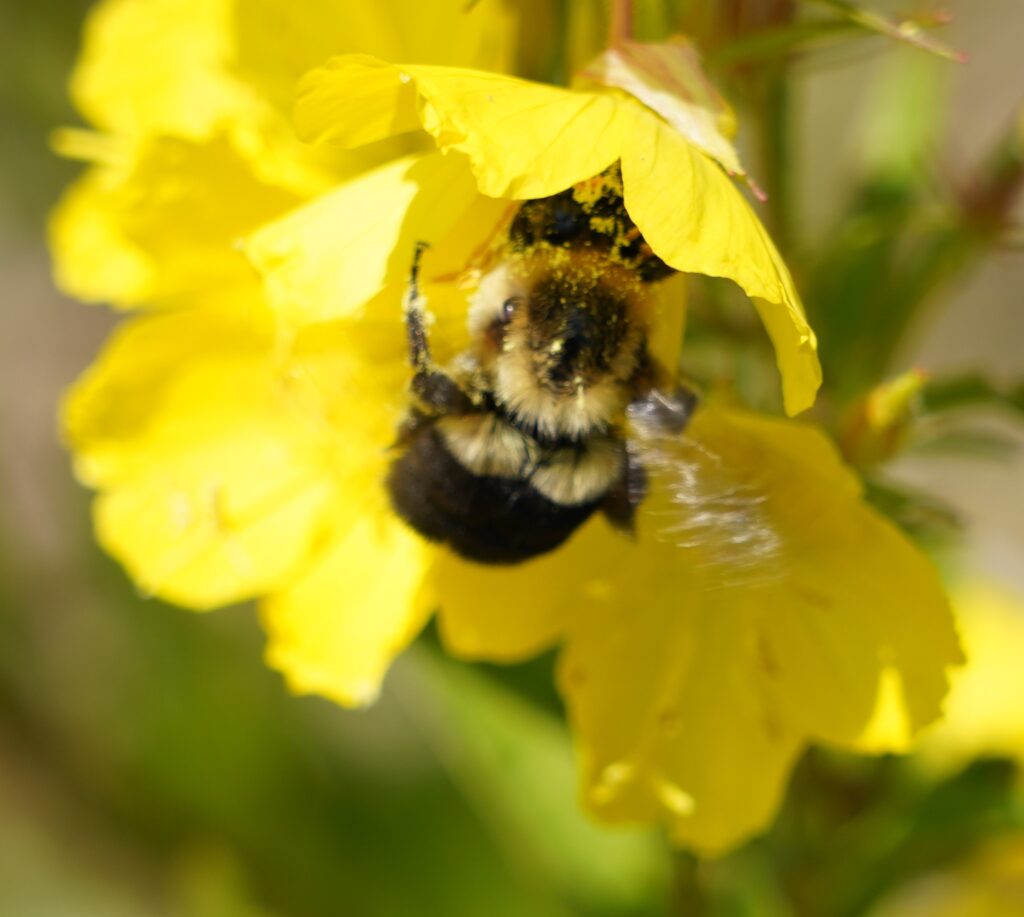
No, at least not for every plant. Flowers attract visitors, but not all flowers provide meaningful nutrition. One of the most persistent misconceptions about garden and habitat planning is the assumption that if bees or butterflies land on a plant, it must be beneficial. In reality, some blooms are nectar-poor, inaccessible, or timed to flower when few native pollinators are active.
Pollinators will often forage on low-quality plants when better options are scarce. Nectar volume, pollen protein content, bloom timing, and flower structure all influence whether a plant truly supports pollinator health. A showy flower is not the same as a nutritious one.
When evaluating pollinator value, look for these traits:
- High nectar and pollen quality that supports energy needs and reproduction
- Accessible flower morphology suited to native bee and butterfly adaptations and body types
- Staggered bloom times relative to other plants in the area to provide resources across the growing season
- Species diversity to reduce nutritional and morphological gaps
Thoughtful plant selection ensures pollinators find consistent, high-quality forage from spring through fall.
Myth #3: Is Native Plant Seed Only for Rural Prairies and Large Restoration Sites?
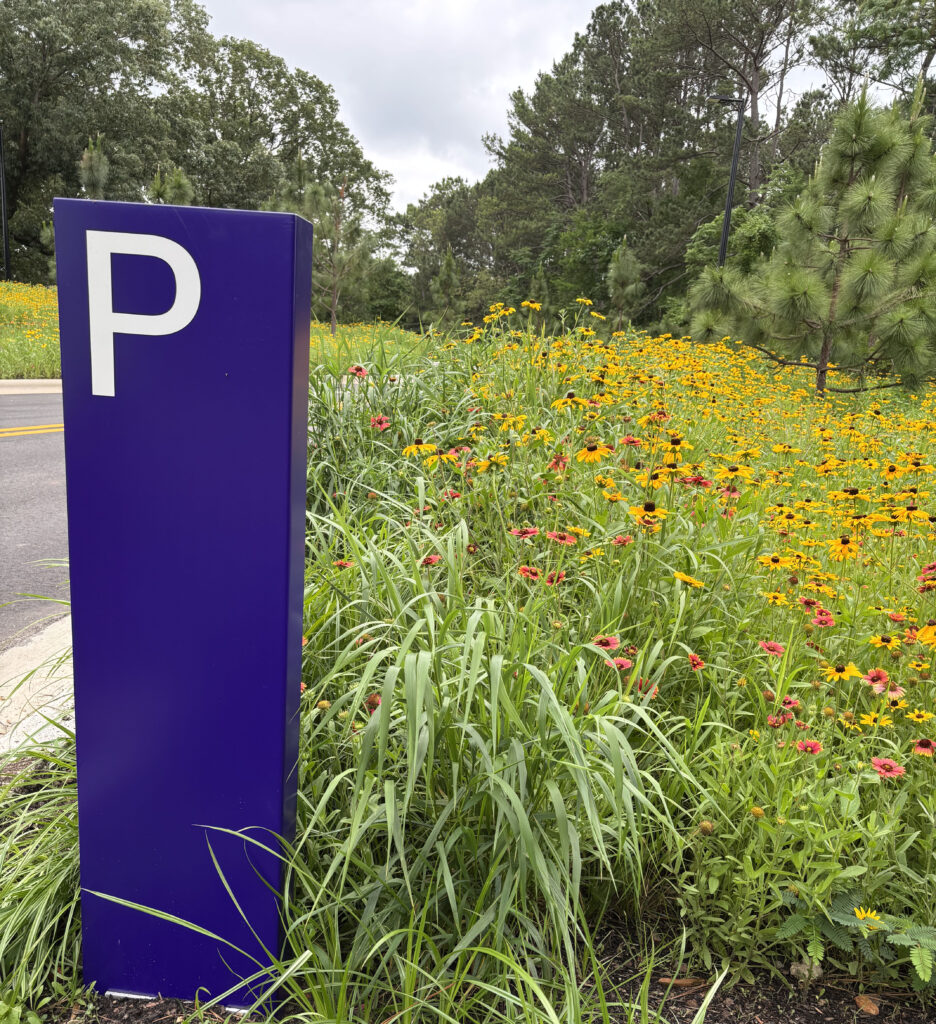
No. Native plant seed is used everywhere plants grow. Native plant seed supports ecological function across simple and complex land management matrices in urban, suburban, commercial, and infrastructure landscapes.
From highways to schoolyards, native plants stabilize soil, filter water, and provide habitat in places people see and use every day. Their adaptability makes them practical, not niche.
In addition to rural and natural landscapes, you will find native plant seed successfully used in:
- Roadsides and rights-of-way to reduce erosion and mowing
- Corporate campuses seeking sustainable landscape design
- Solar sites where low-growing vegetation supports energy operations and maintenance
- Stormwater basins to improve infiltration and water quality
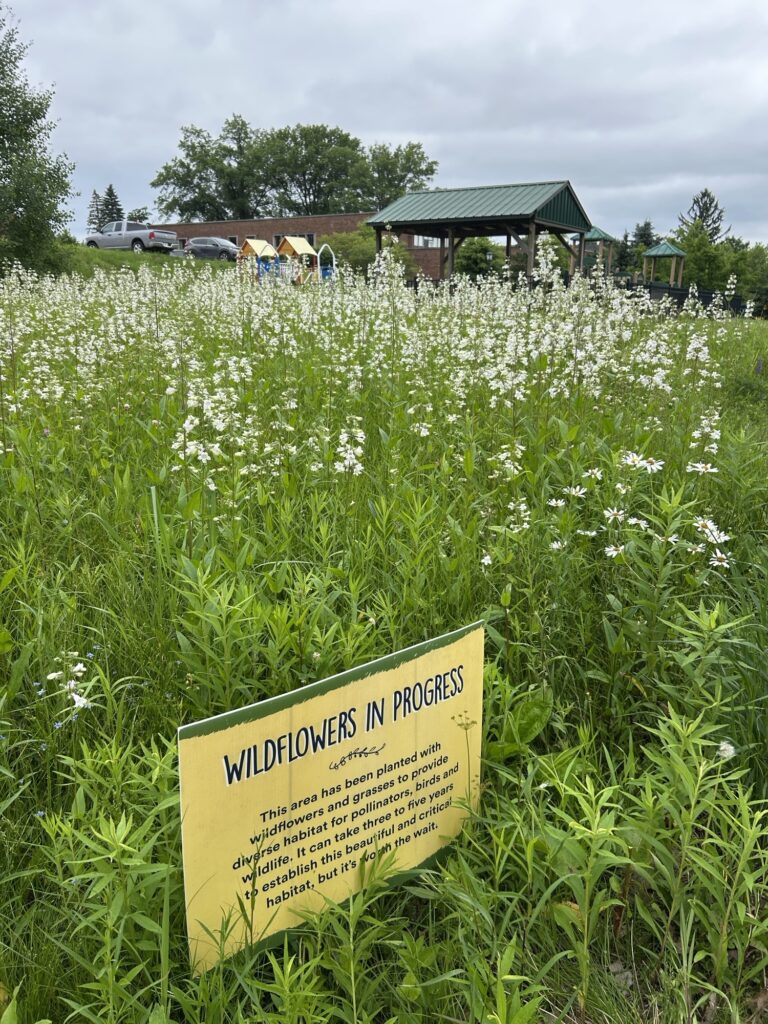
- Schoolyards and small gardens for hands-on habitat creation and education
Native plant seed is not limited by scale. Whether restoring acres or rethinking a backyard border, regionally appropriate seed brings ecological value to nearly any setting.
Myth #4: Do Native Plantings Have to Look Wild and Messy?
No. Well-designed plantings can be both ecologically functional and visually intentional, especially in public-facing landscapes. Thoughtful design choices shape native landscapes into spaces that feel purposeful and refined.
Structure is the difference between “wild” and “designed.” By layering heights, grouping compatible species, and defining edges, native plantings can read as organized rather than chaotic. Ecological value and visual appeal are not competing goals.
To create traditionally aesthetic, “tidy”, and intentional native landscapes:
- Layer grasses, graminoids, and forbs to add depth while maintaining cohesion.
- Plant in drifts or groupings rather than scattering species randomly.
- Define edges with mowed or hard borders to signal care and structure.
- Use focal points such as shrubs or taller species for visual anchors.
Design communicates intention. With planning, native plantings can support pollinators and meet aesthetic or utility expectations simultaneously.
Myth #5: Is Native Plant Seed Too Expensive?
Depends. Upfront costs can be higher, but long-term costs are often lower. While native seed mixes may require a greater initial investment, the lifecycle costs of maintaining conventional turf or ornamental landscapes often exceed that difference over time.
Native plantings typically reduce mowing, irrigation, fertilizer, and pesticide inputs once established. They also contribute ecosystem services such as supporting biodiversity, enhancing soil health, filtering water runoff, sequestering carbon, and providing habitat value that traditional landscapes rarely provide without additional expense.
Consider a simplified lifecycle comparison:
| Factor | Conventional | Native Plants |
| Upfront seed cost | Lower | Higher |
| Mowing frequency | High | Reduced |
| Irrigation needs | Ongoing | Minimal after establishment |
| Fertilizer/pesticides | Regular inputs | *Ideally none |
*except for spot use of herbicides as a part of an IPM framework.
Initial seed costs are only part of the equation. When viewed over years rather than months, native plant seed can represent a smart ecological and economic investment.
Overcoming Misconceptions About Native Seeds Together
Native seed and seed mix decisions shape landscapes for decades. As Pollinator Partnership has shown, understanding regional adaptation, bloom timing, design strategy, and lifecycle costs helps move beyond common misconceptions about native seeds and toward healthier ecosystems.
At Ernst Conservation Seeds, we are committed to providing regionally appropriate native seed and technical expertise to support that vision. Visit our seed finder to explore seed mixes and guidance for your next project. Then continue learning at pollinator.org, and be sure to read [our companion article] hosted there for practical insight into successful seeding and establishment.
Quick Summary
This guest post from Pollinator Partnership, hosted by Ernst Conservation Seeds, addresses common Misconceptions About Native Seeds related to ecology, pollinator value, regional adaptation, design, and cost. It explains why nativity is regional, why not all flowers equally support pollinators, and how native plantings can be both practical and visually intentional. Readers will gain clarity on how thoughtful seed selection strengthens ecosystems while delivering long-term landscape value.
Native Seeds FAQS
No. Nativity is regional, and seed sourced outside its ecological zone may struggle or disrupt local genetics.
Not necessarily. Some plants offer low-quality nectar or bloom at the wrong time, so diversity and timing are critical.
Upfront costs can be higher, but long-term maintenance costs are often lower due to reduced mowing, irrigation, and inputs.