
Biodiversity at a Crossroads: How Homegrown National Park and Ernst Are Planting the Seeds of Change
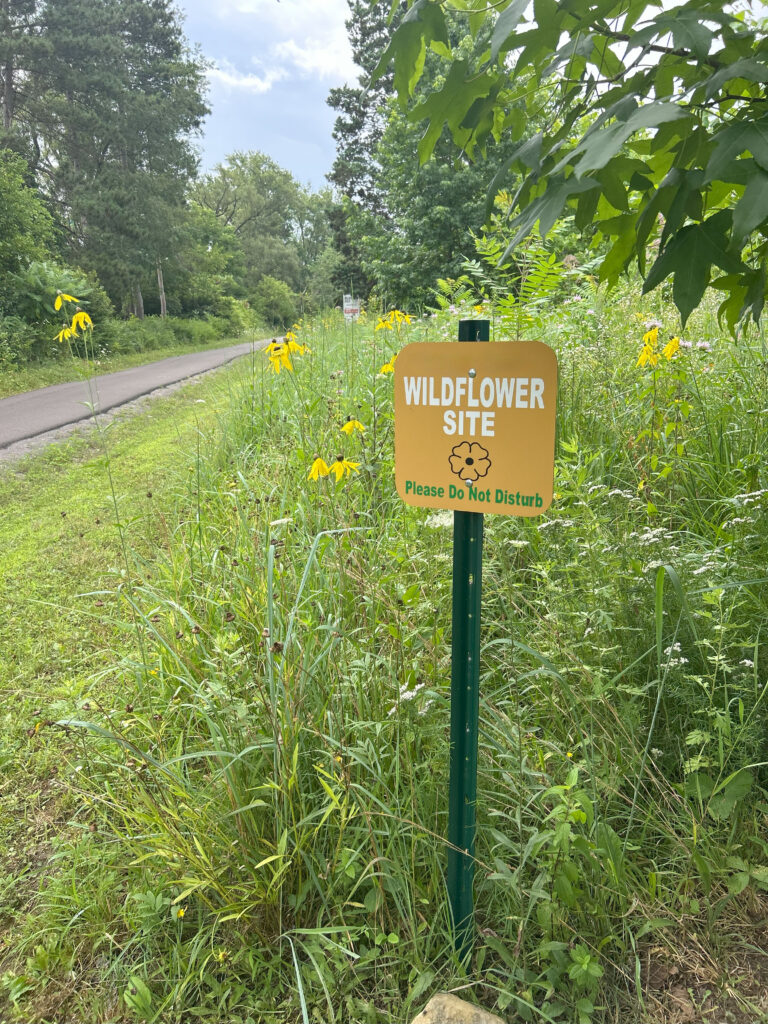
Biodiversity, the backbone of healthy ecosystems, is in crisis. From vanishing pollinators to collapsing food webs, the decline is accelerating at a pace that threatens both wildlife and human life. But there’s hope in a growing movement that empowers anyone to be part of the solution. In this blog, we’ll explore: It’s time to see […]
8 Flowers that Attract Beneficial Insects
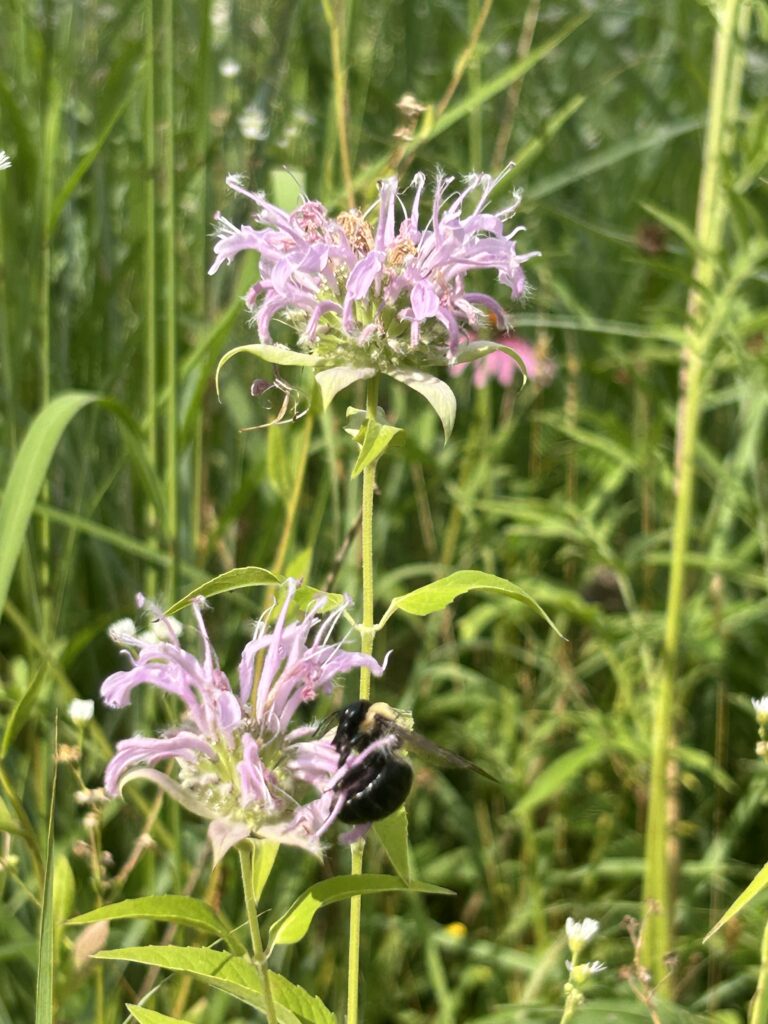
If you want a garden, farm, or native meadow that thrives without constant chemical input, start by attracting the right insects. Pollinators like bees and butterflies are essential for seed and crop production, while natural pest predators such as parasitic wasps and hoverflies keep destructive bugs in check. The best way to bring these “good […]
Perennials that Support Pollinators Through the Seasons
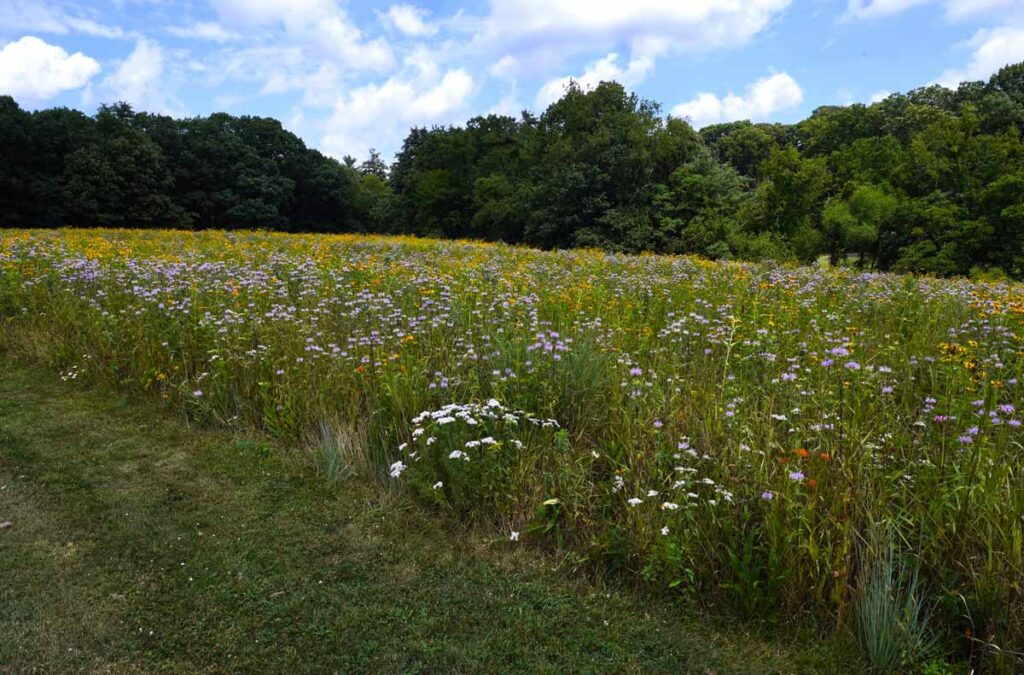
When it comes to supporting pollinators, the challenge is consistency. Many gardens and restoration sites overlook critical windows, particularly early spring and late fall, when food scarcity can disrupt breeding, migration, or overwintering success. Perennial pollinators are native plants that provide nectar and pollen year after year. These long-lived wildflowers offer reliable food sources for […]
How to Attract Pollinators with Your Landscaping
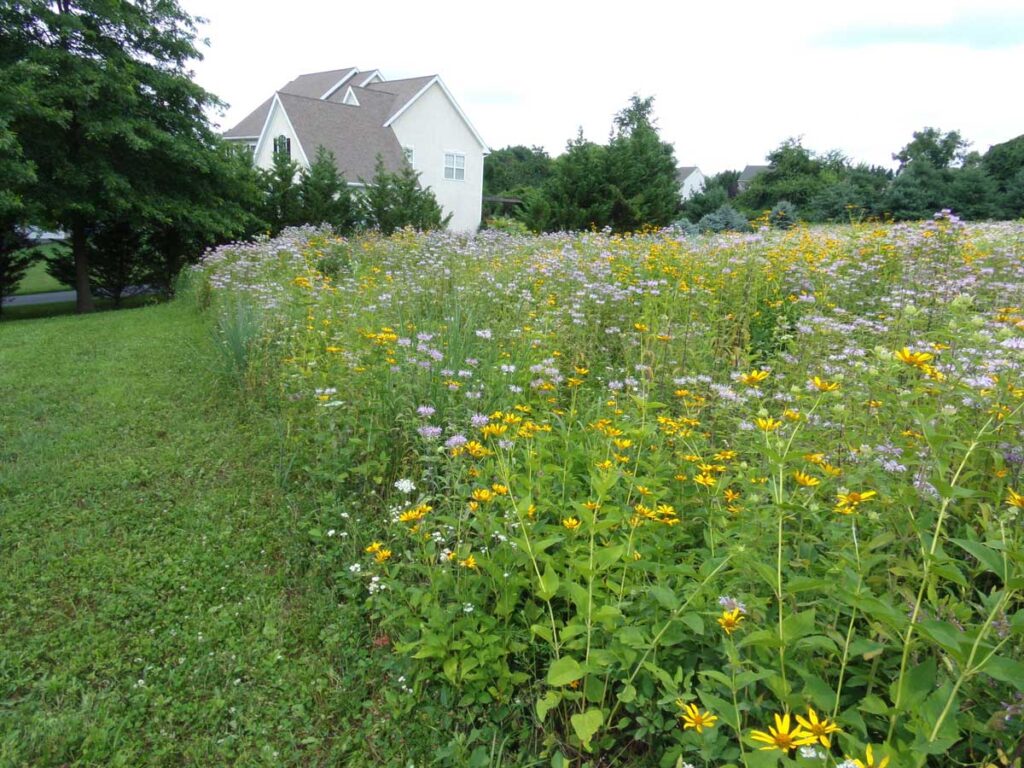
A garden full of beautiful wildflowers is a critical source of nutrition for pollinators, but it isn’t the only thing they need to thrive. Bees, butterflies, hummingbirds, and other beneficial insects also require nesting sites, shelter, and safe, pesticide-free spaces to feed and reproduce. If you’re serious about attracting pollinators, you’ll need a landscape designed […]
Planting for Monarchs: How to Build a Butterfly-Friendly Garden
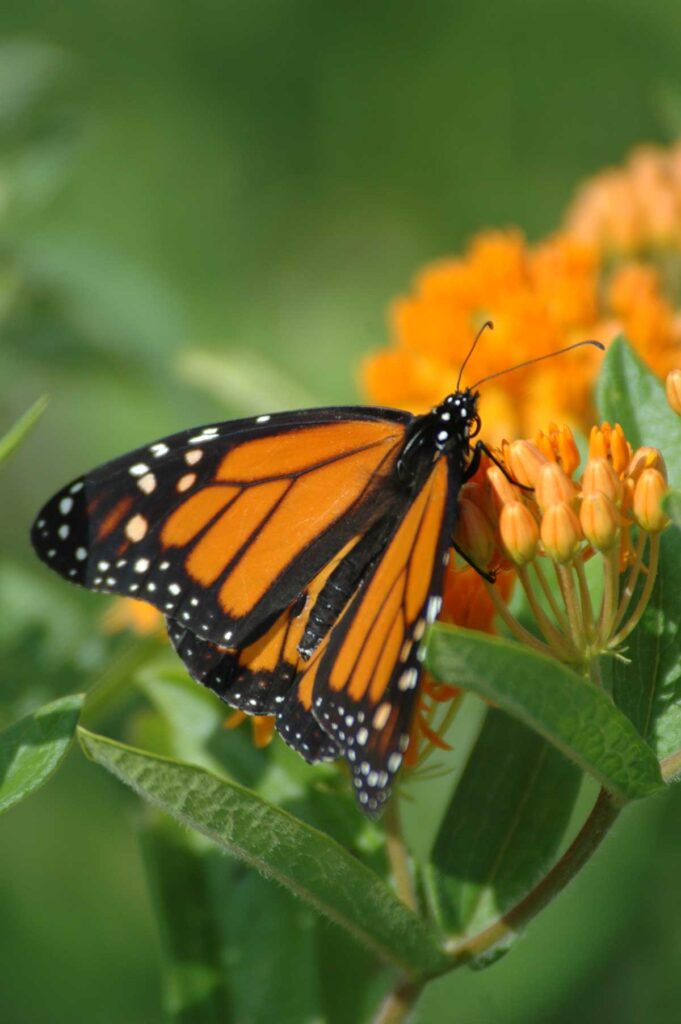
Monarch butterflies are one of North America’s most recognizable and beloved species, but their populations have declined sharply in recent decades. Habitat loss, pesticide use, and the spread of non-native plants have all played a role. Fortunately, gardeners, farmers, and landscape professionals in the Northeast can take direct, meaningful action to support monarch butterfly conservation […]
Bumblebee Conservation 101
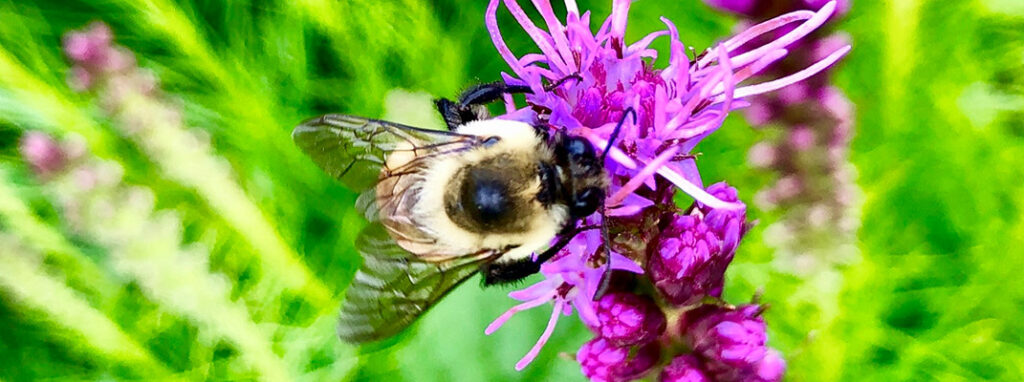
Bumblebees are more than just adorable garden visitors. Underneath the cute and fuzzy exterior lies an essential pollinator that helps sustain ecosystems, support food production, and maintain plant diversity. Yet across the Northeast and beyond, their numbers are falling fast. For landowners, growers, and conservation-minded citizens, understanding this crisis is the first step toward reversing […]
Creating Low-Impact, Pollinator-Friendly Solar Energy Sites with Native Seeds
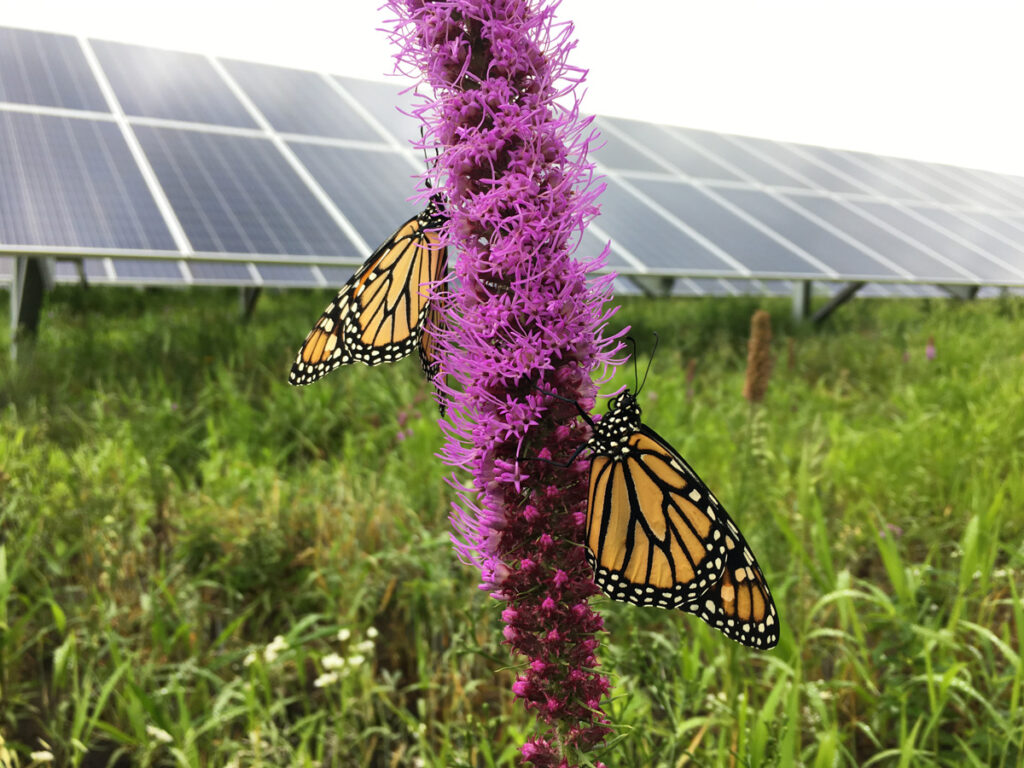
Solar farms are expanding rapidly, with an estimated 6 million acres projected for solar energy production by 2050. However, conventional solar sites covered in gravel or turf offer little ecological value, increasing maintenance costs, soil degradation, and heat reflection. These barren landscapes contribute to stormwater runoff, pollinator habitat loss, and localized temperature spikes that can […]
How Sunflower Pollen Reduces Parasites in Bumblebees

Bumblebees are essential pollinators, but their populations are declining due to habitat loss, pesticides, climate change, and parasites. Among these threats is the gut parasite Crithidia bombi. This parasite can weaken bumblebee immune systems, reduce foraging efficiency, and even threaten colony survival. Recent research highlights sunflower pollen as a natural defense against C. bombi. Unlike […]
Preparing Native Plantings During the Dormant Season
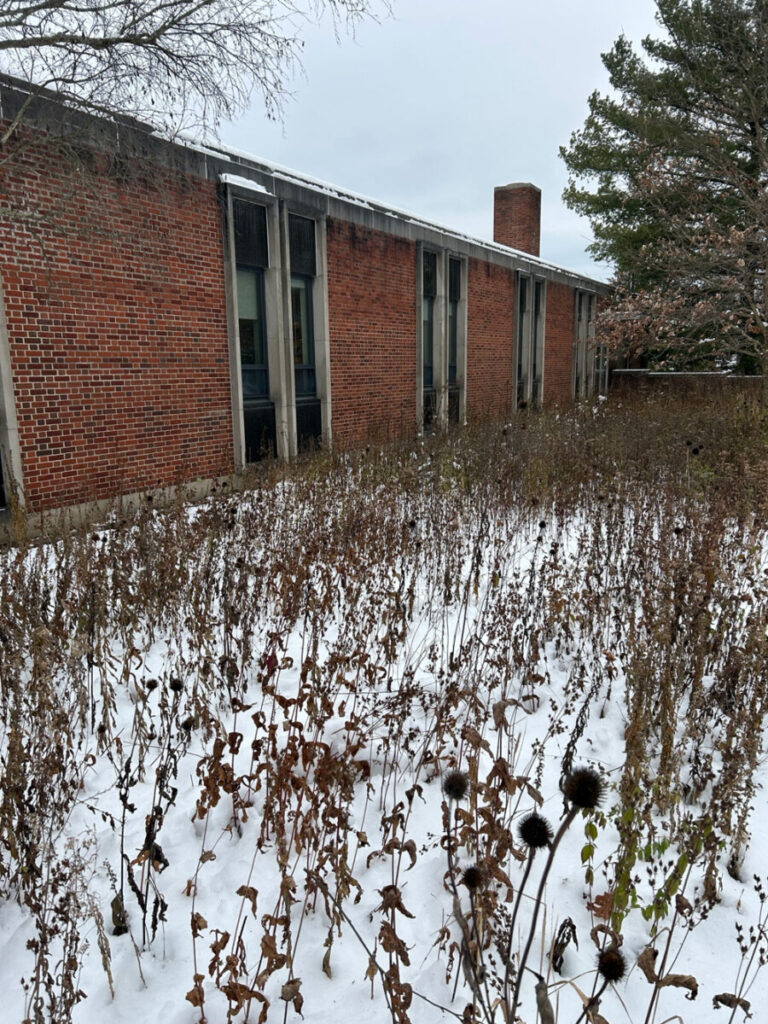
The dormant season, spanning from late fall through early spring, is a rest period for most plants in the northeastern United States. While growth slows or ceases, this time presents key opportunities for landscape architects, conservationists, and native plant enthusiasts to prepare for the next growing season. Contrary to the perception that winter is a […]
Thistle Plants and Other Invasive Species
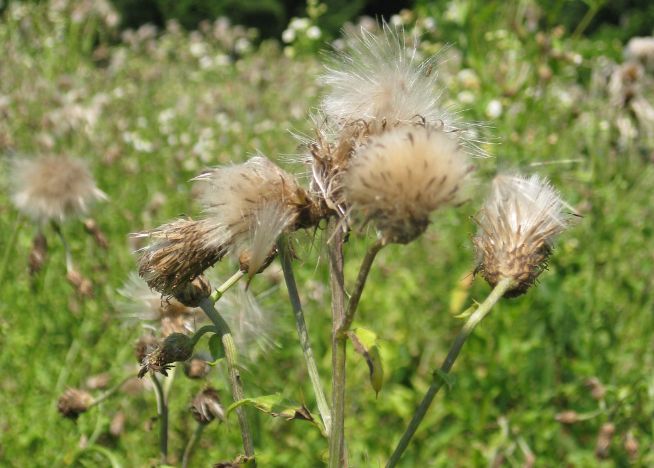
Invasive species like Canada Thistle and Bull Thistle can wreak havoc on local ecosystems in the northeastern United States. Left unchecked, they can dominate other beneficial flora, negatively impacting biodiversity and agriculture. Understanding how these species take hold is the first step in controlling them. In today’s guide, we’ll explain what you need to know […]