The difference between native and non-native seeds can shape everything from how well your planting establishes to how much value it provides to pollinators and the surrounding ecosystem. Yet for many landowners, the distinction is not always clear, and the wrong choice can lead to poor performance.
In this guide, you will learn:
- What “native” and “non-native” seeds actually mean in practice
- How do these seed types behave differently once planted
- Why native seeds are often preferred for restoration and pollinator habitats
- When non-native seeds may still make sense
- How to choose the right seed mix for your specific project
Let’s start by defining what native seeds really are and why that definition matters.
What Does “Native Seed” Actually Mean?
Native seeds are species that evolved in a specific region over long periods of time and are naturally adapted to its ecology. When you choose native seeds, you are working with plants that already “fit” the conditions on your site rather than forcing adaptation.
In practice, this definition is more precise than it first appears. A plant can be native to North America but still poorly suited to your exact location. What matters most is regional adaptation, often referred to as local ecotypes.
Key characteristics of native seeds
- Adapted to local climate and seasonal cycles
- Integrated with native wildlife, including pollinators
- Suited to regional soils and site conditions
- Capable of long-term persistence with minimal inputs
- Non-invasive
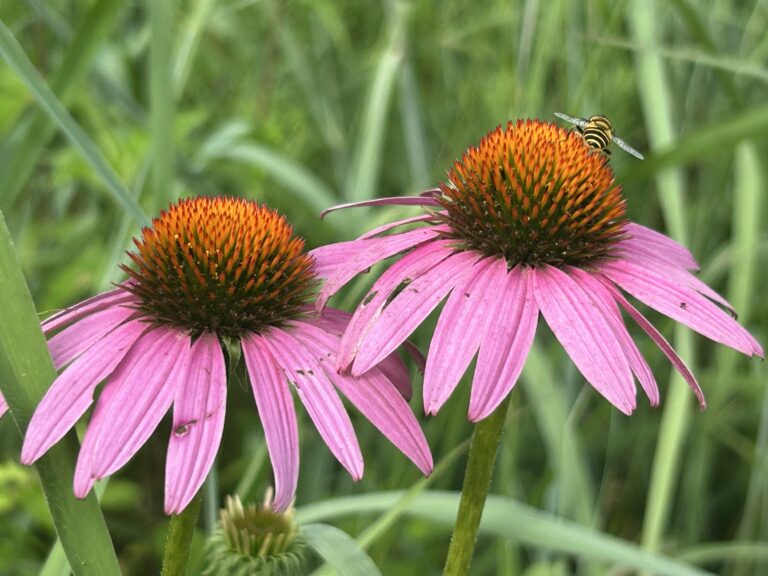
This ecological alignment has direct, practical consequences. For example, species like Butterfly Milkweed (Asclepias tuberosa) or Purple Coneflower (Echinacea purpurea) support pollinators because they co-evolved with them. Many native insects rely on specific host plants to complete their life cycles, which means your planting decisions directly influence habitat quality.
How Are Non-Native Seeds Different?
Non-native seeds come from species that did not evolve in your region and were introduced, either intentionally or accidentally, from other parts of the world. When you plant them, you are often introducing species that lack the ecological relationships that define native systems.
That difference shows up quickly in how these plants behave. Non-native species may establish successfully, but they often do so without supporting local insects or wildlife in meaningful ways. In some cases, they can outcompete native plants due to differences in growth rate, root structure, or lack of natural controls.
Native vs. Non-native seeds at a glance
- Adaptation: Native seeds match local conditions. Non-natives may require more inputs
- Wildlife value: Native plants support insects and pollinators. Non-natives often do not
- Maintenance: Native systems stabilize over time. Non-natives may need ongoing management
It is also important to recognize that not all non-native species are invasive. However, when a non-native plant spreads aggressively and disrupts local ecosystems, it can reduce biodiversity and alter site conditions in ways that are difficult to reverse.
Why Do Native Seeds Perform Better in Restoration and Pollinator Landscapes?
Native seeds tend to perform better because they are already adapted to the exact environmental pressures your site will present. Pollinators are adapted to the flowering times of native plants, which leads to more reliable establishment and long-term stability.
This becomes especially important in restoration and pollinator-focused plantings, where success depends on more than just germination. You are building a functioning plant community.
Why native seeds consistently outperform
- Better germination when timed to natural seasonal cycles
- Strong root systems adapted to local soils
- Greater resilience to drought, temperature swings, and regional stressors
- Reduced need for irrigation, fertilizers, or ongoing intervention
- They are non-invasive when using local species
Native species also support pollinators in ways non-native plants often cannot. For example, Black-eyed Susan (Rudbeckia hirta) and Wild Bergamot (Monarda fistulosa) provide nectar and pollen that align with the life cycles of native bees and butterflies. In many cases, insects rely on specific host plants to reproduce, not just to feed.
Are Non-Native Seeds Ever the Right Choice?
Yes. Non-native seeds can be the right choice when your goals prioritize speed, uniformity, or specific functional outcomes over ecological restoration. The key is understanding the tradeoffs before you plant.
In some cases, non-native species establish quickly and provide immediate ground cover. This can be useful for erosion control, short-term stabilization, or highly managed landscapes where consistency is more important than biodiversity.
Use non-native seeds when:
- You need rapid establishment for erosion control or site stabilization
- You are managing turf or highly uniform landscapes
- Native options are difficult to establish under current site conditions
- The planting is temporary or transitional
That said, these benefits often come with ongoing requirements. Non-native plantings may need more irrigation, reseeding, or active management to maintain their intended appearance or function.
You should also evaluate species carefully. Some non-native plants remain well-behaved, while others have the potential to spread beyond their intended area. When in doubt, prioritize species that will not disrupt surrounding ecosystems.
How to Choose the Right Seed Mix for Your Project
Choosing between native and non-native seeds starts with clarity. Your success depends less on the seed itself and more on how well it matches your site conditions and project goals.
Before you select a mix, take time to evaluate what you are working with. Soil type, moisture levels, sunlight exposure, and existing vegetation all influence which species will establish successfully. Native seed mixes are typically designed with these variables in mind, especially when sourced for a specific region like the Northeastern United States.
A simple process for selecting the right seed mix
- Define your goal: Are you prioritizing pollinator habitat, erosion control, aesthetics, or a combination?
- Assess your site conditions: Identify soil texture, drainage, sunlight, and slope. These factors should guide your species selection.
- Choose regionally adapted species or mixes: Look for seed mixes built for your geographic area rather than generic blends.
- Plan for establishment: Proper site preparation, planting timing, maintenance, and realistic expectations are critical to success.
In many cases, seed mixes offer better outcomes than single-species plantings. A diverse mix can create a more resilient stand, reduce weed pressure, and provide season-long value for pollinators.
When in doubt, Ernst has professionally designed seed mixes that fit any ecology.
Making the Right Choice Starts with the Right Seed
The difference between native and non-native seeds directly affects how your planting performs, how much maintenance it requires, and the value it provides to the surrounding ecosystem.
Native seeds offer long-term stability and ecological benefits. Non-native seeds can serve specific, short-term purposes when used carefully.
When you take the time to match your seed selection to your site conditions and goals, you avoid common pitfalls and set your project up for lasting success.
To get started, explore Ernst’s regionally adapted seed mixes and planting resources that help you make informed, site-specific decisions from the outset.
Quick Summary
Native and non-native seeds differ in their origin, ecological function, and long-term performance on your site. Native seeds, adapted to regional conditions, typically offer stronger establishment, lower maintenance, and greater support for pollinators and wildlife. By understanding these differences, you can choose locally native seed mixes that align with your goals and create more effective, resilient plantings that eliminate the potential for invasiveness.
Native and Non-native Seeds FAQs
What is the difference between native and non-native seeds?
Native seeds come from species that evolved in a specific region, while non-native seeds originate elsewhere. This affects how well they adapt and support local ecosystems.
Are native seeds always better than non-native seeds?
Not always. Native seeds are ideal for long-term ecological value, but non-native seeds can be useful for specific short-term or highly managed applications.
Why do native seeds support pollinators better?
Native plants co-evolved with local insects and provide the specific nectar, pollen, and host relationships they depend on. Many non-native plants do not offer the same level of support.